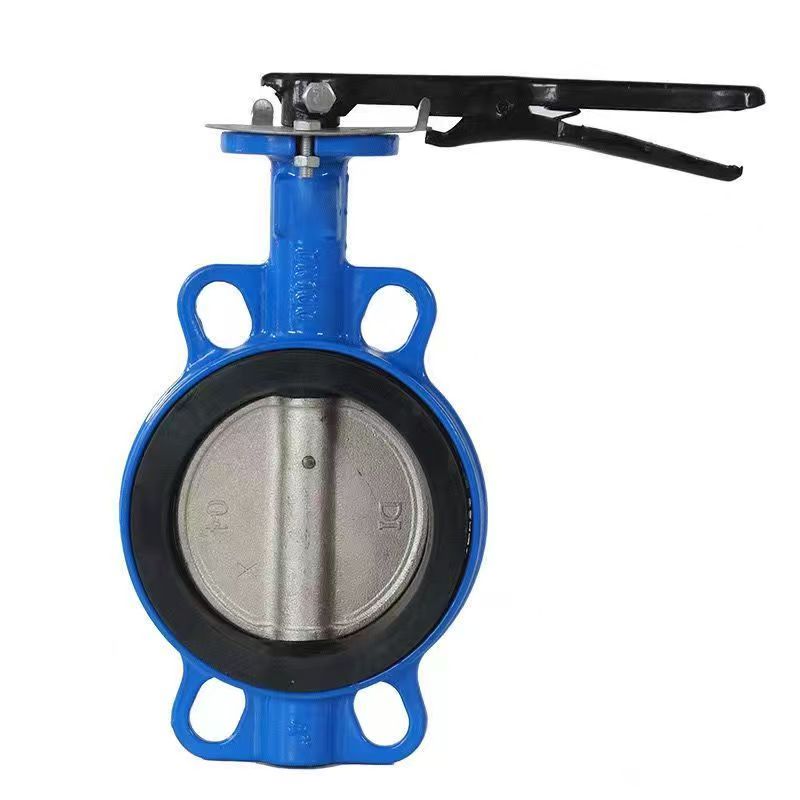
Complete Selection Guide for Natural Gas Pipeline Ball Valves
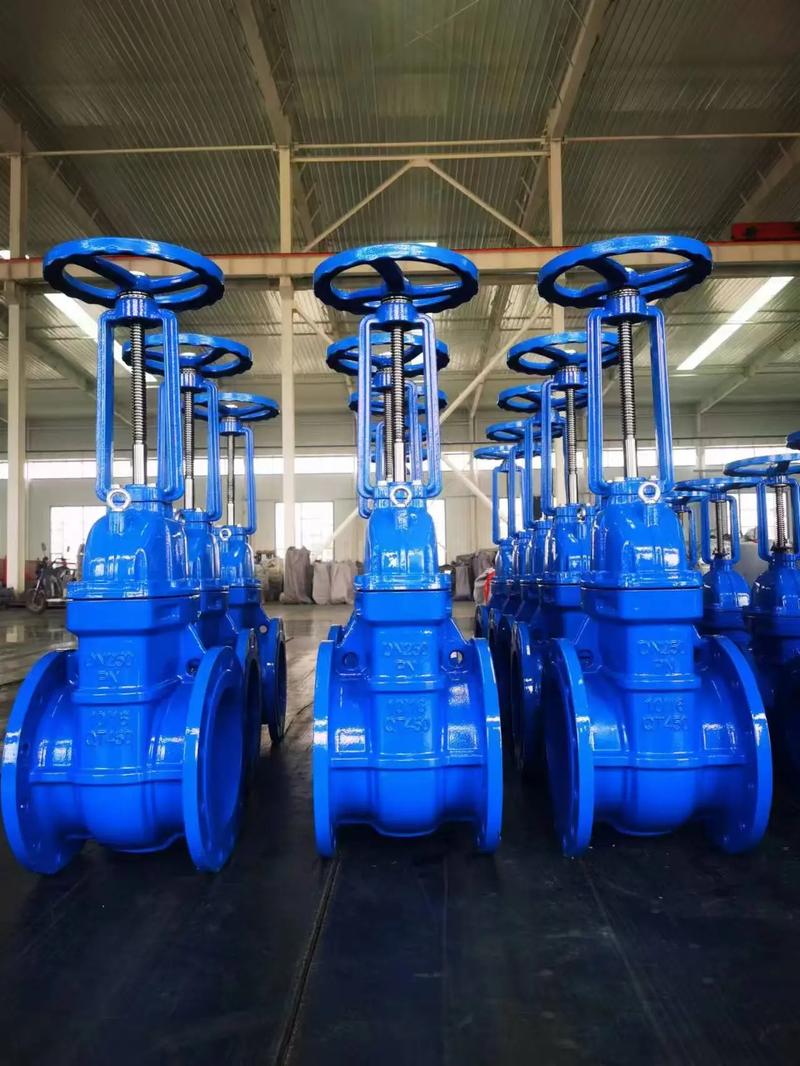
Complete Selection Guide for Natural Gas Pipeline Ball Valves:
Core Selection Principles
Four core principles are followed for gas ball valve selection: exclusive adaptation, standard compliance, safety redundancy and long-term maintenance-free performance. General-purpose valves for water or air are strictly prohibited in gas systems. All parameters must match on-site working conditions to avoid leakage and operation failures, ensuring long-term stable pipeline operation.
Industry Compliance Standards
Domestic gas ball valves shall comply strictly with CJ/T 514-2018, suitable for conventional gas working temperature from -20℃ to 60℃. For overseas projects, valves must meet international standards including API 6D, ASME B16.34 and API 607, ensuring fire resistance, shell strength and sealing precision pass regional engineering inspect criterias.
Key Parameter Selection Rules
1. Nominal Pressure Matching
The pressure rating shall accurately match the pipeline design condition. PN16 is preferred for residential low-pressure pipelines (≤0.4MPa); PN16/PN25 for municipal main pipelines (1.0MPa~1.6MPa); PN40 or higher for industrial medium and high-pressure gas transmission to resist pressure fluctuation and water hammer impact.
2.Municipal Buried Gas Networks
For long-term buried installation with complex geological conditions, flanged carbon steel/stainless steel gas ball valves with anti-static and fire-safe structures are recommended. Matched with telescopic stems, it adapts to deep burial and realizes long-term maintenance-free operation.
3. Industrial High-Pressure Gas Pipelines
For industrial pipelines with large pressure fluctuation and continuous operation, high-pressure stainless steel ball valves (≥PN40) with PTFE seal and explosion-proof electric/pneumatic actuators are adopted to adapt to automatic industrial gas transmission systems.
Common Selection Mistakes to Avoid
1. No substitution with general valves: Ordinary water/air ball valves lack fire-safe and anti-static structures, which cannot adapt to gas media and may cause leakage risks
2. Avoid over-specification selection: Blind use of high-pressure and large-diameter valves will increase project costs and cause abnormal flow resistance;
3. Cast iron valves forbidden for buried pipelines: Ordinary cast iron is prone to corrosion and cracking under long-term underground burial, leading to gas leakage;
4. Explosion-proof actuators are mandatory for automatic gas systems to eliminate electric spark safety hazards.
Conclusion
Gas ball valve selection is a systematic project integrating industry standards, working conditions, medium characteristics and safety configurations. Adhering to scenario-based selection rules and rejecting non-standard substitution can fundamentally ensure the safe, stable and maintenance-free operation of gas pipelines, reducing full-cycle operation costs and potential safety hazards.
2.Municipal Buried Gas Networks
For long-term buried installation with complex geological conditions, flanged carbon steel/stainless steel gas ball valves with anti-static and fire-safe structures are recommended. Matched with telescopic stems, it adapts to deep burial and realizes long-term maintenance-free operation.
3. Industrial High-Pressure Gas Pipelines
For industrial pipelines with large pressure fluctuation and continuous operation, high-pressure stainless steel ball valves (≥PN40) with PTFE seal and explosion-proof electric/pneumatic actuators are adopted to adapt to automatic industrial gas transmission systems.
Common Selection Mistakes to Avoid
1. No substitution with general valves: Ordinary water/air ball valves lack fire-safe and anti-static structures, which cannot adapt to gas media and may cause leakage risks
2. Avoid over-specification selection: Blind use of high-pressure and large-diameter valves will increase project costs and cause abnormal flow resistance;
3. Cast iron valves forbidden for buried pipelines: Ordinary cast iron is prone to corrosion and cracking under long-term underground burial, leading to gas leakage;
4. Explosion-proof actuators are mandatory for automatic gas systems to eliminate electric spark safety hazards.
Conclusion
Gas ball valve selection is a systematic project integrating industry standards, working conditions, medium characteristics and safety configurations. Adhering to scenario-based selection rules and rejecting non-standard substitution can fundamentally ensure the safe, stable and maintenance-free operation of gas pipelines, reducing full-cycle operation costs and potential safety hazards.