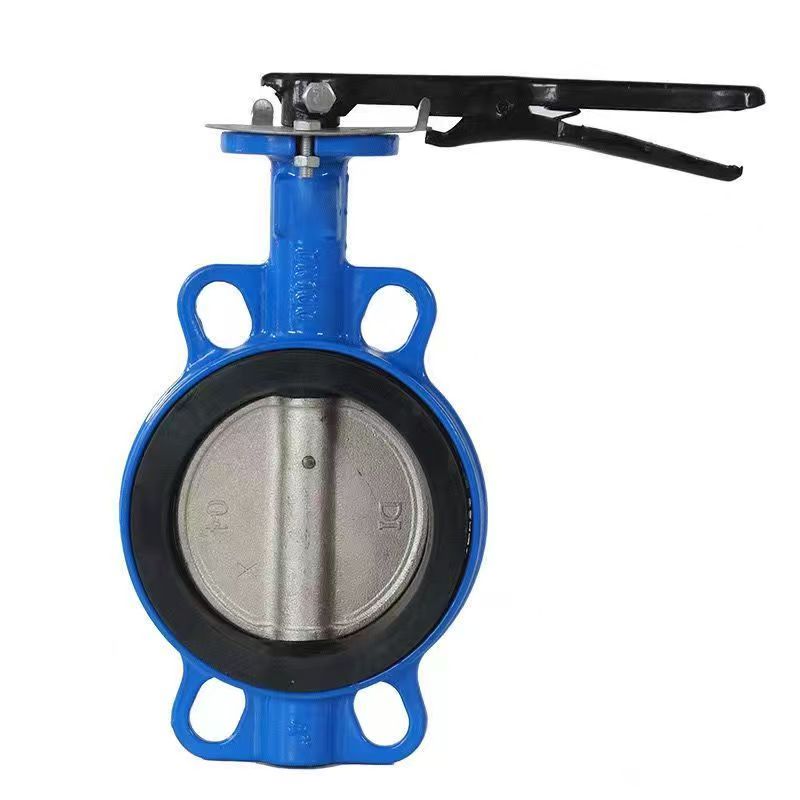
EPDM Seal Valves vs. Ordinary Seal Valves: How to Choose the Right One?
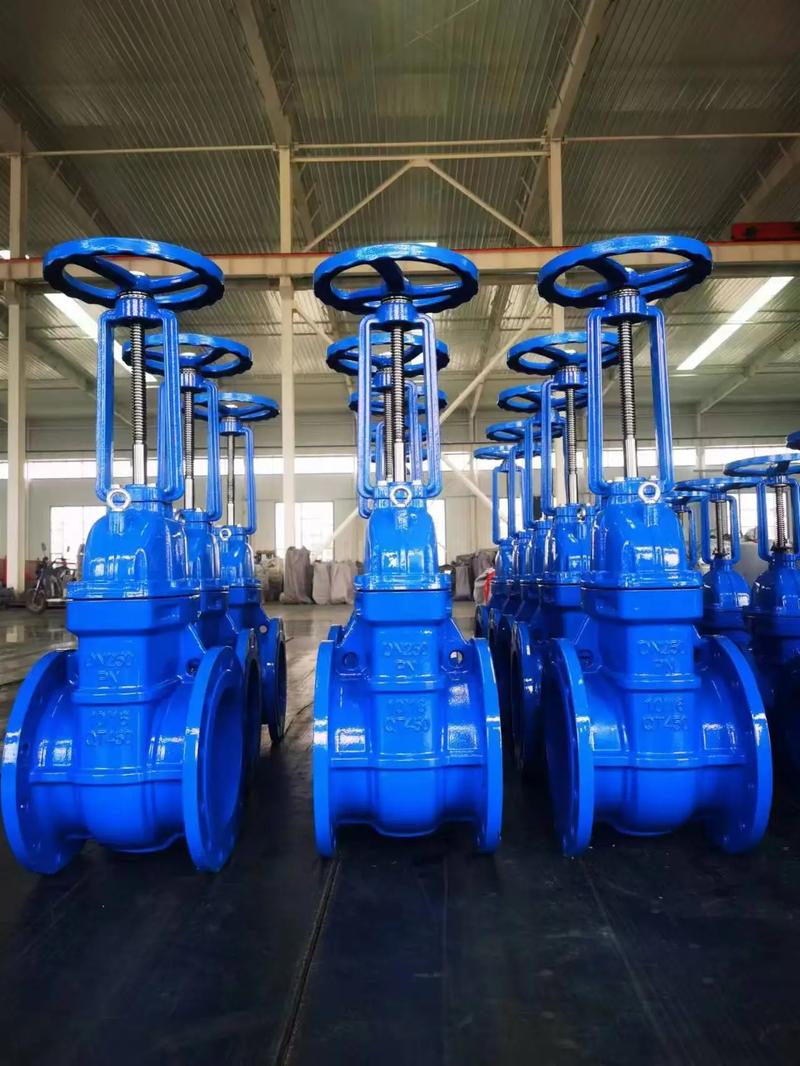
EPDM Seal Valves vs. Ordinary Seal Valves: How to Choose the Right One?
In fluid pipeline systems across municipal engineering, HVAC, water treatment, and general industrial fields, the sealing component is the core of a valve, directly determining its sealing performance, service life, and application compatibility. When selecting valves, most buyers face a common dilemma: EPDM seal valves or ordinary seal valves?
Choosing the wrong sealing material not only shortens the valve’s service life but also leads to frequent leaks, system downtime, and increased maintenance costs. This article breaks down the definitions, performance differences, advantages, limitations, and ideal application scenarios of EPDM seal valves and ordinary seal valves, providing you with a clear and practical valve selection guide.
What Are EPDM Seal Valves & Ordinary Seal Valves?
Before diving into selection, let’s clarify the basic concepts of these two valve types:
EPDM Seal Valves
EPDM (Ethylene Propylene Diene Monomer) is a high-performance synthetic rubber with excellent weather resistance, aging resistance, and chemical stability. Valves using EPDM as the sealing element (valve seat, gasket) are defined as EPDM seal valves, widely used in medium-to-high-end fluid control systems.
Ordinary Seal Valves
Ordinary seal valves refer to valves equipped with conventional sealing materials, mainly including NBR (Nitrile Butadiene Rubber) and general-purpose rubber seals. They are standard sealing configurations for low-end, general-purpose valves, suitable for basic, non-harsh working conditions.
Core Performance Differences Between EPDM & Ordinary Seals
The fundamental gap between the two valves lies in the material properties of the sealing components, which directly affect their performance in actual use. Here’s a detailed comparison of key indicators:
1. Weather & Aging Resistance
- EPDM Seals: Have outstanding ozone resistance, UV resistance, and heat aging resistance. They remain flexible and non-cracking even in long-term outdoor exposure, high-temperature, or ventilated environments, with a service life 3-5 times longer than ordinary seals. - Ordinary Seals: Poor aging and ozone resistance. They tend to harden, crack, and lose elasticity after 1-2 years of outdoor use or long-term thermal exposure, leading to immediate seal failure.
2. Temperature Resistance Range
- EPDM Seals: Wide applicable temperature range (-40℃ to 150℃), adaptable to cold outdoor environments and medium-temperature fluid pipelines, maintaining stable sealing performance in extreme temperatures. - Ordinary Seals: Narrow temperature tolerance (-10℃ to 80℃). Prone to hardening and leakage in low temperatures, and softening and deformation in high temperatures, only suitable for normal-temperature indoor environments.
3. Chemical Corrosion Resistance
- EPDM Seals: Excellent resistance to water, steam, weak acids, weak alkalis, detergents, and polar solvents. Highly compatible with potable water, sewage, and HVAC water systems, with strong anti-corrosion and anti-pollution capabilities.
- Ordinary Seals: Only resistant to clean water and neutral non-corrosive media. They degrade quickly in weak corrosive or slightly polluted media, resulting in seal damage and fluid leakage.
4.Sealing Performance & Wear Resistance
- EPDM Seals: High elasticity, good compression resistance, and wear resistance. Achieve zero leakage in long-term use, with stable performance even in frequent valve opening/closing scenarios.
- Ordinary Seals: Average elasticity and poor compression recovery. Prone to wear and compression set after repeated use, leading to gradual sealing failure and micro-leakage.
5.Cost & Service Life
- EPDM Seals: Higher material cost, but longer service life and lower failure rate, reducing replacement and maintenance costs in the long run.
- Ordinary Seals: Lower upfront cost, but short service life and frequent failures, resulting in higher overall lifecycle costs.
Advantages & Limitations of Each Valve Type
EPDM Seal Valves
Advantages:
- Long service life, low maintenance frequency
- Wide temperature and corrosion resistance, strong environmental adaptability
- Stable sealing, zero leakage, suitable for long-term outdoor use
- Compliant with drinking water hygiene standards, safe for municipal water supply Limitations:
- Higher initial purchase cost
- Not suitable for media containing oil or petroleum derivatives Ordinary Seal Valves
Advantages:
- Low price, cost-effective for short-term, low-demand projects
- Easy to replace and process, suitable for simple indoor working conditions Limitations:
- Poor aging and corrosion resistance, short service life
- Narrow application range, not adaptable to harsh environments
- Frequent maintenance and replacement required
Ideal Application Scenarios: Which Valve Should You Choose?
Choose EPDM Seal Valves When:
1. Municipal Water Supply & Sewage Systems: Potable water pipelines, sewage treatment, rainwater drainage, especially outdoor buried or exposed pipelines.
2. HVAC Systems: Central air conditioning chilled water, hot water, and steam pipelines that require stable sealing and temperature resistance.
3. Outdoor Industrial Pipelines: Long-term outdoor installed fluid pipelines, chemical pipelines with weak corrosive media.
4. Water Treatment & Pool Facilities: Filtration systems, circulating water pipelines with high hygiene and anti-corrosion requirements.
5. Long-Term Engineering Projects: Projects pursuing low lifecycle costs and minimal maintenance.
Choose Ordinary Seal Valves When:
1. Indoor Normal-Temperature Clean Water Systems: Indoor domestic water pipelines with no corrosion, no extreme temperatures, and low usage frequency.
2. Temporary or Short-Term Engineering Projects: Short-term use, low-cost temporary pipeline configurations.
3. Low-Demand General Equipment: Simple mechanical equipment with neutral clean water media and low sealing requirements.
4. Budget-Strict Small Projects: Projects with extremely limited budgets and no harsh working condition requirements.
Key Selection Tips to Avoid Mistakes
1. Prioritize the working environment (indoor/outdoor), medium type, and temperature range—these are the core criteria for choosing sealing materials.
2. For outdoor, long-term use, or weak corrosive conditions, always choose EPDM seal valves to avoid post-maintenance troubles.
3. Don’t blindly pursue low prices: ordinary seal valves may lead to higher overall costs due to frequent failures and replacements.
4. Verify the sealing material certification: ensure the valve uses genuine EPDM seals, not blended ordinary rubber.
Conclusion
The choice between EPDM seal valves and ordinary seal valves ultimately depends on your working conditions and project needs. EPDM seal valves are the optimal choice for durability, stability, and wide adaptability, ideal for most industrial, municipal, and HVAC projects. Ordinary seal valves are only suitable for simple, low-demand, short-term indoor scenarios.
Investing in high-quality EPDM seal valves means reducing long-term maintenance costs, avoiding leakage risks, and ensuring the safe and stable operation of your pipeline system.
If you need further help with valve selection based on your specific project parameters, feel free to contact our technical team for a customized solution!