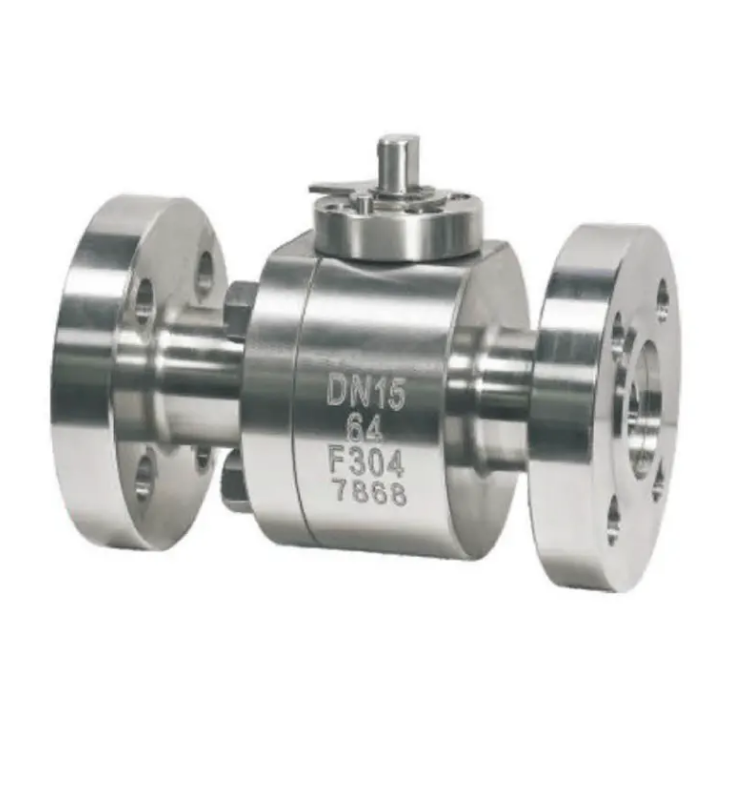
Forged Steel High Pressure Flanged Ball Valve
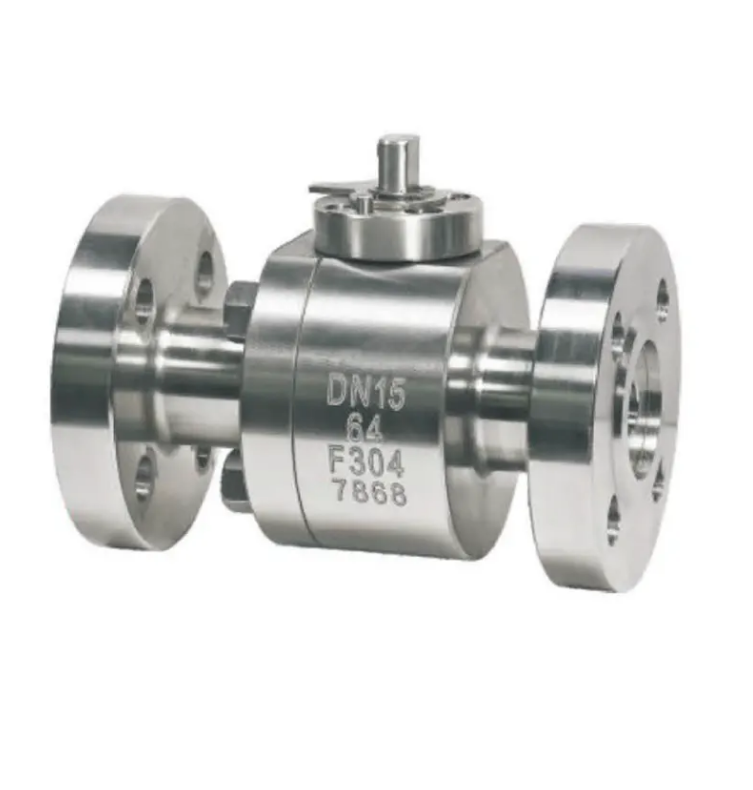
 | Forged Steel High Pressure Flanged Ball Valve
|
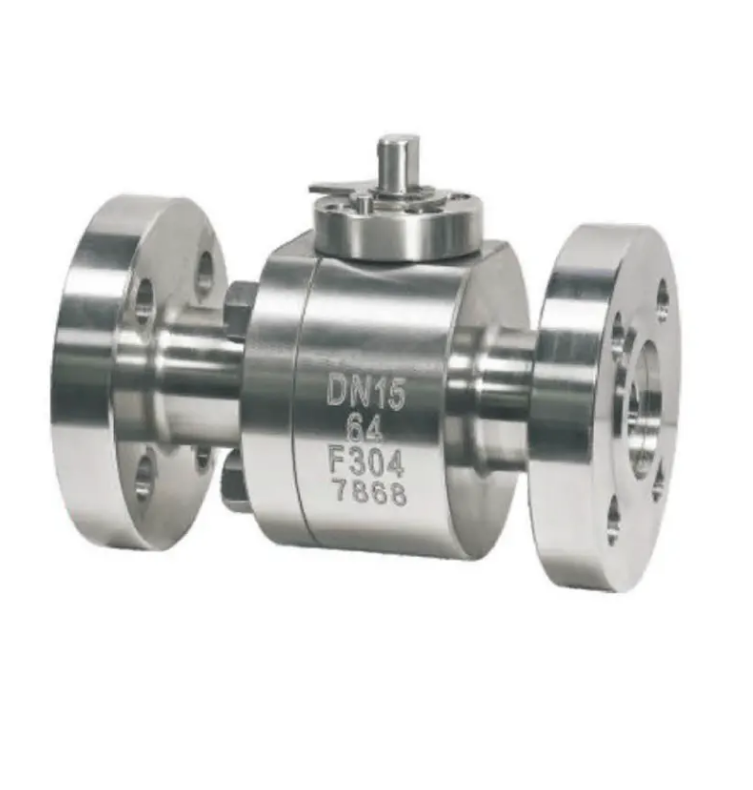
Multi-Grade Pressure Rating & Standardized Test Benchmarks
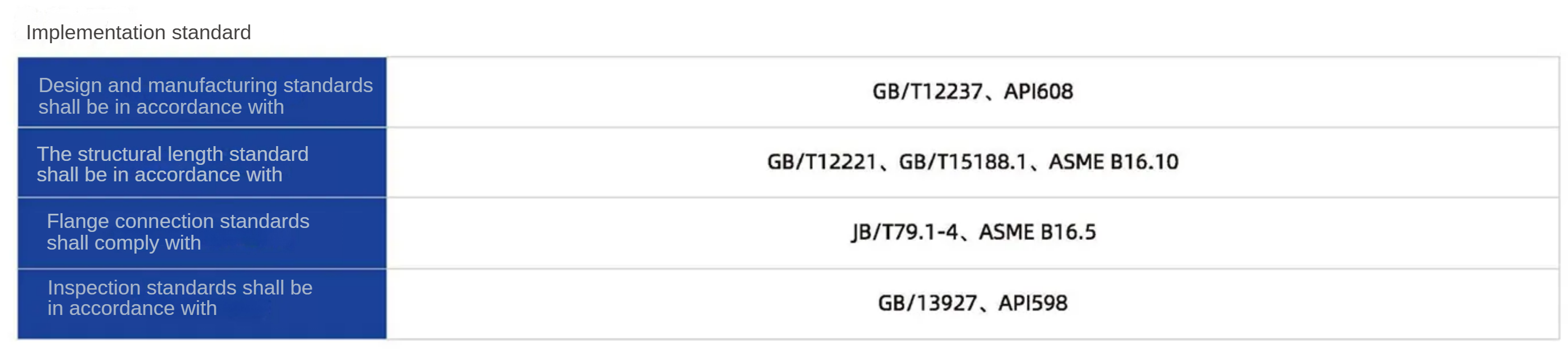
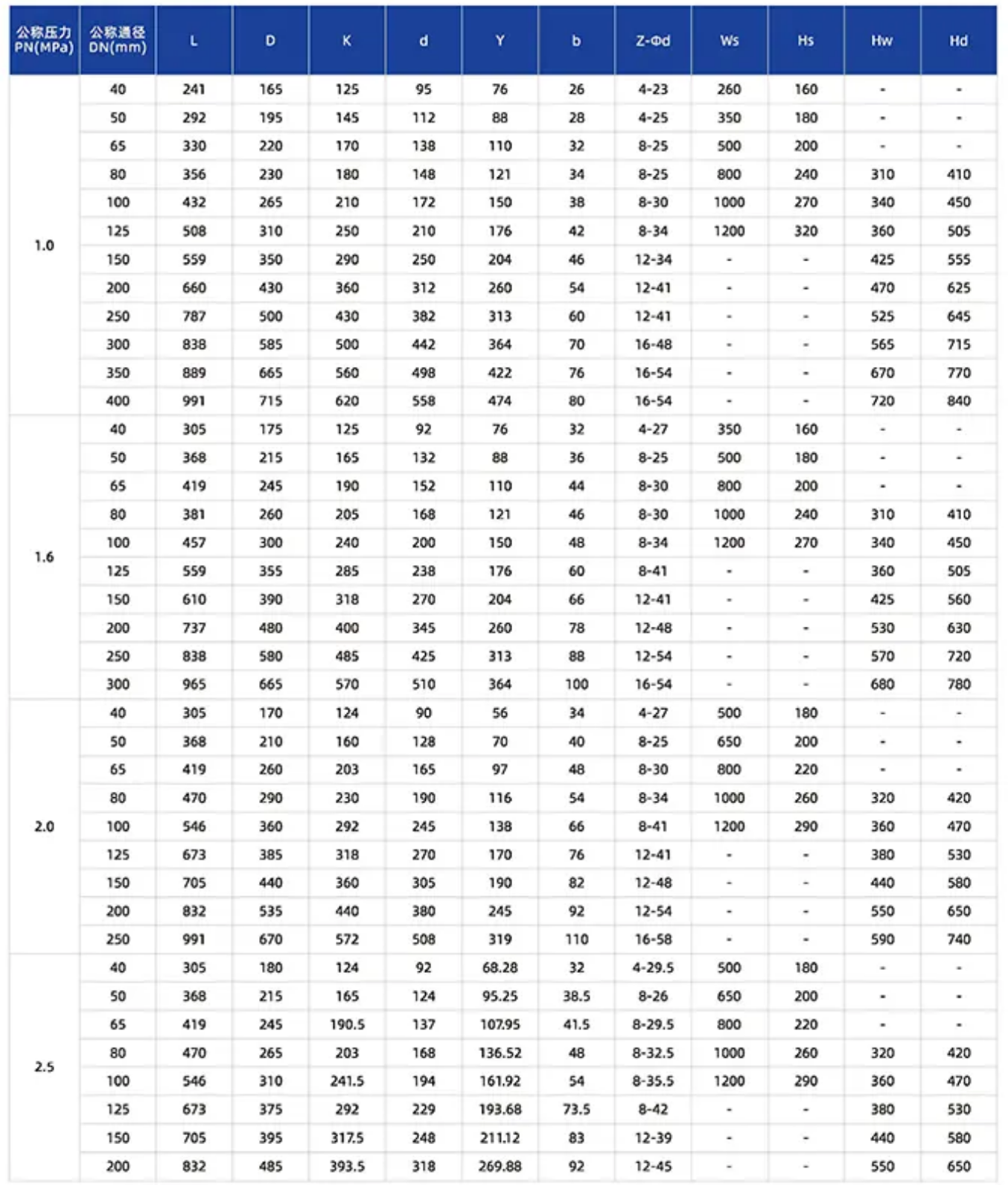
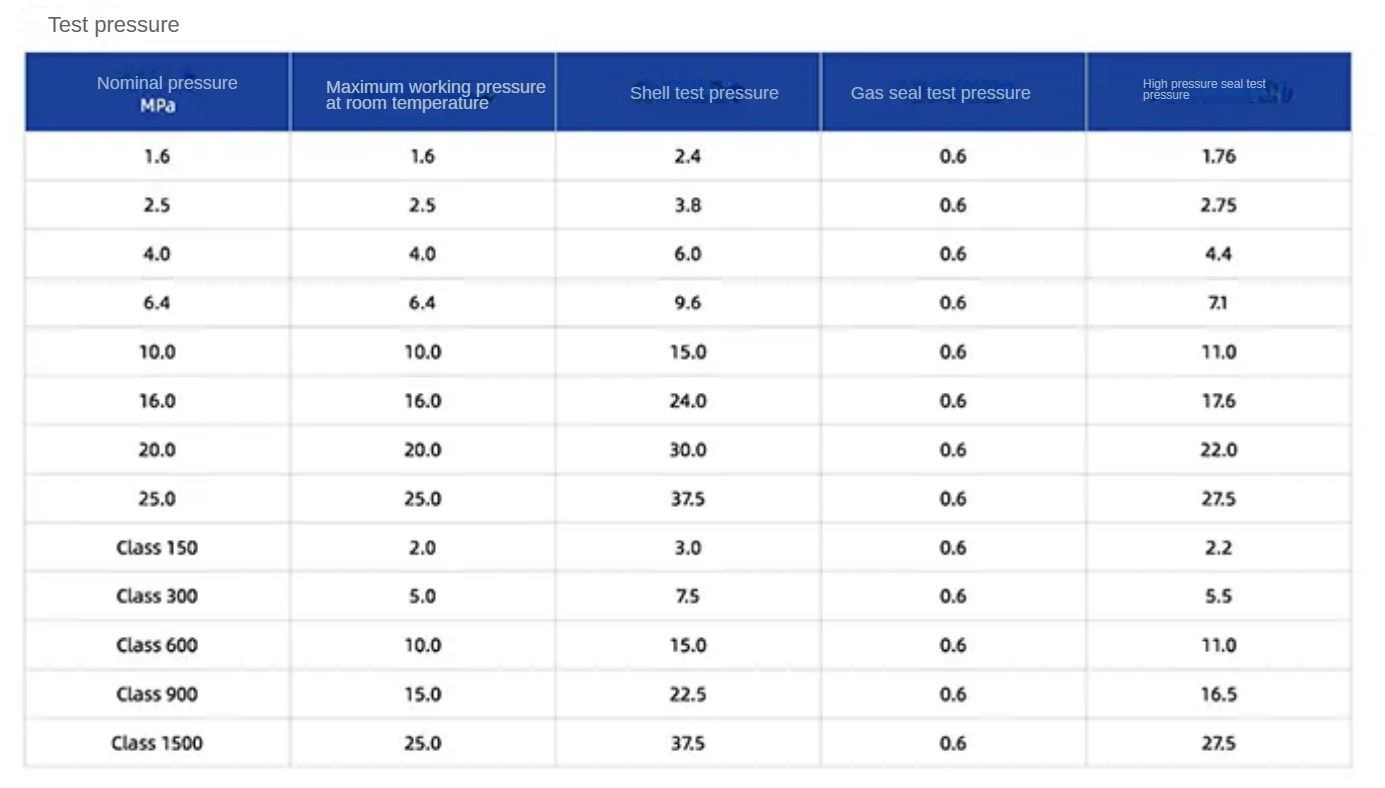
Its pressure spectrum spans metric grades PN1.6 to PN25.0, alongside compatible ASME classes Class150 through Class1500. Fixed standardized thresholds govern shell hydrostatic strength, high-pressure seat tightness and air bubble tightness tests; a mandatory 0.6MPa constant air tightness inspection is performed on every finished forged ball valve, with no adjusted baseline regardless of nominal pressure. For the full nominal diameter range DN40 to DN300, all flanged outline dimensions and bolt hole layouts adopt fixed standard figures, simplifying unified piping design for overseas turnkey EPC projects.
Four Core Body Material Grades & Service Limits
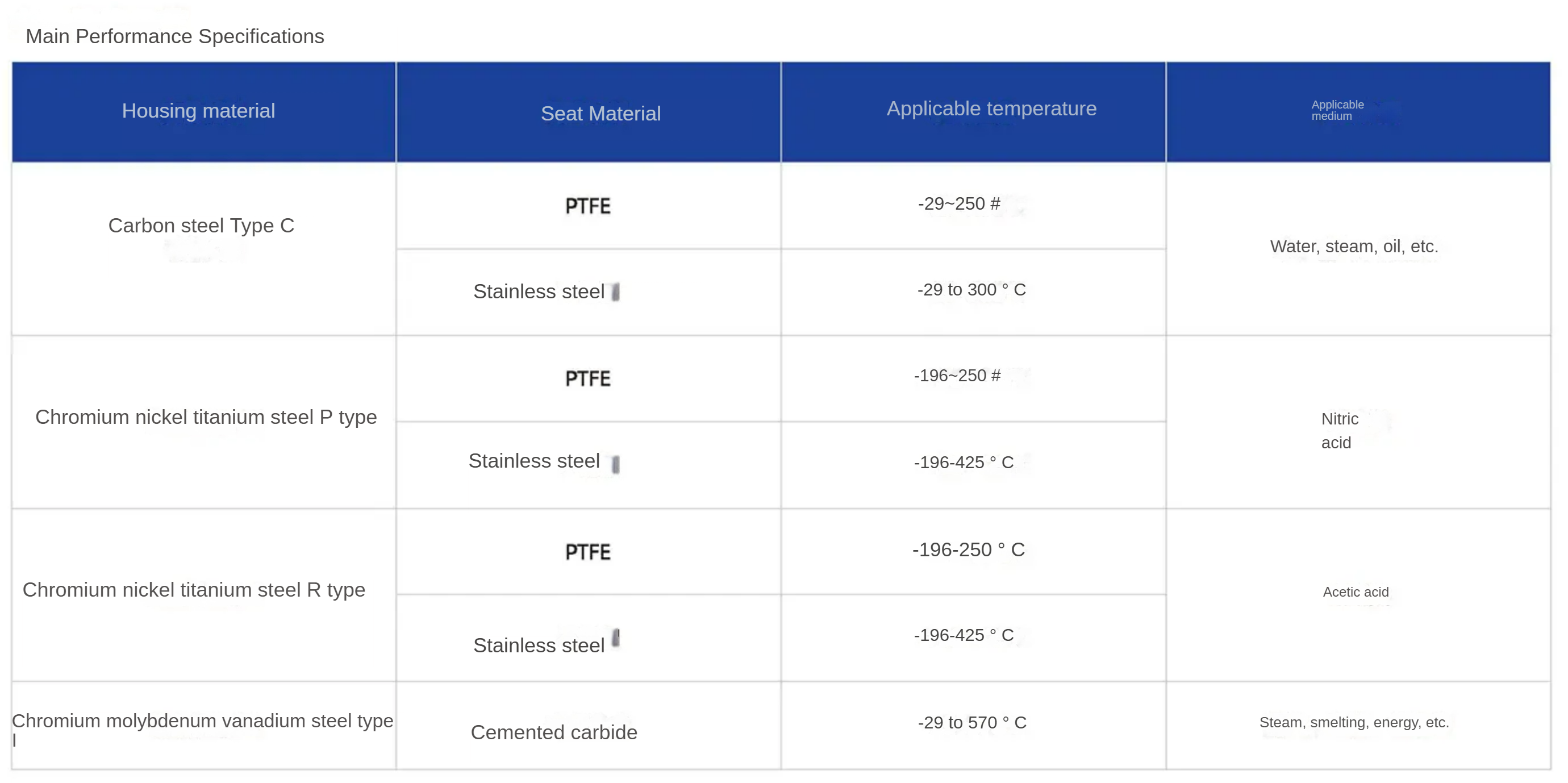
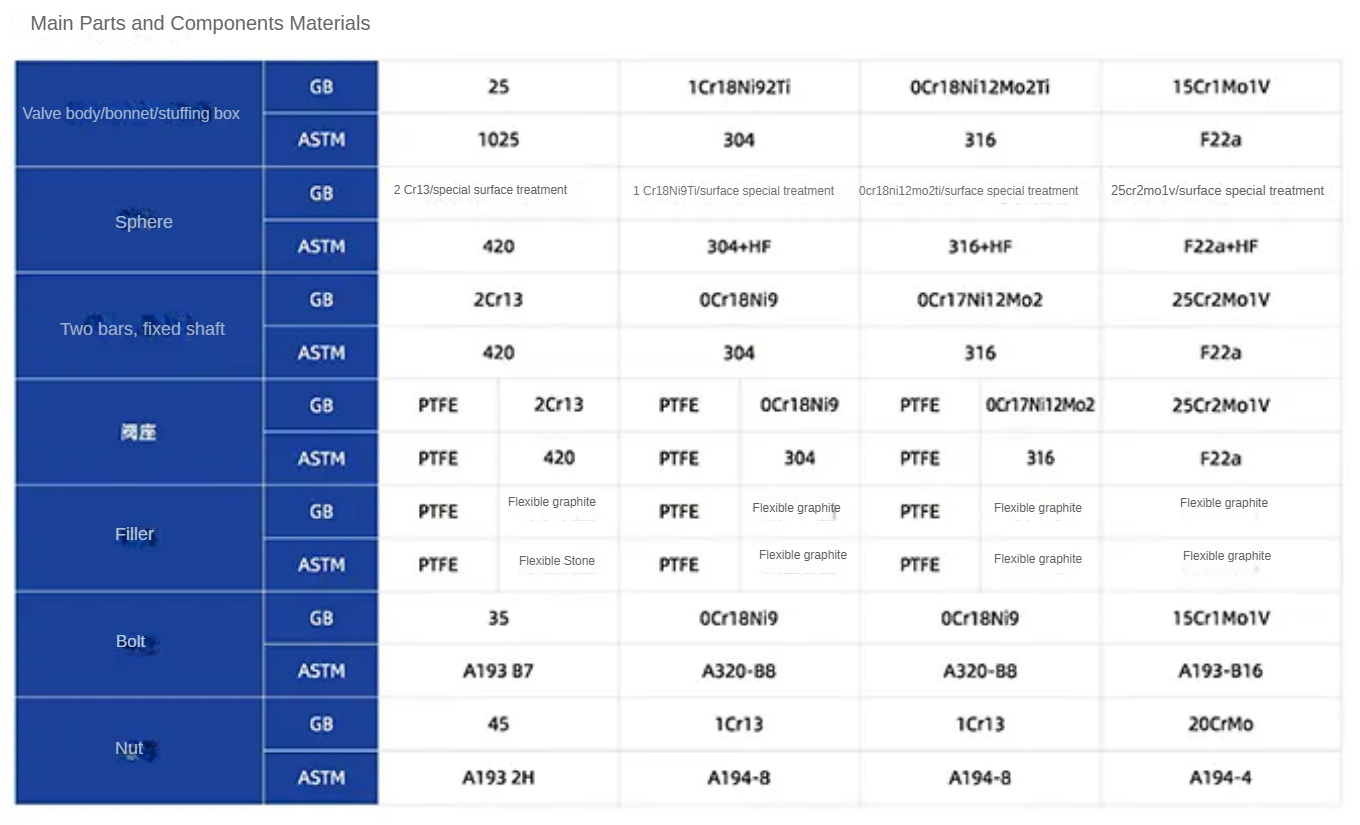
Four core body material grades are supplied to match differentiated corrosion and thermal fluctuation service conditions: Type C carbon steel suits ambient clean water, general steam and fuel oils; Type P chrome-nickel-titanium stainless steel resists weak nitric acid media with cryogenic operation down to -196℃; Type R chrome-nickel-titanium stainless steel works for acetic acid corrosive fluid; Type I chrome-moly-vanadium alloy steel, paired with hard metal seats, delivers stable performance for smelting and steam pipelines up to 570℃. Each body variant can be fitted with either PTFE soft seats or metal hard seats to extend the temperature window of a single valve unit.
NACE Anti-Sulfur Corrosion Technical Specification
For hydrogen sulfide containing oil wellheads and gathering pipelines, all pressure-bearing wetted components are selected in compliance with international NACE MR0175 anti-sulfide stress cracking standards, with full nickel plating passivation surface treatment to block intergranular stress corrosion triggered by hydrogen sulfide. Composite flexible graphite + PTFE packing avoids rapid hardening and external medium leakage under alternating high-low temperature and long-term sulfur-bearing fluid erosion. All matching fasteners adopt corresponding sulfur-resistant alloy steel grades to eliminate body leakage caused by sulfide-induced bolt fracture.
Three Optional Actuation Configurations For Site Automation Upgrade
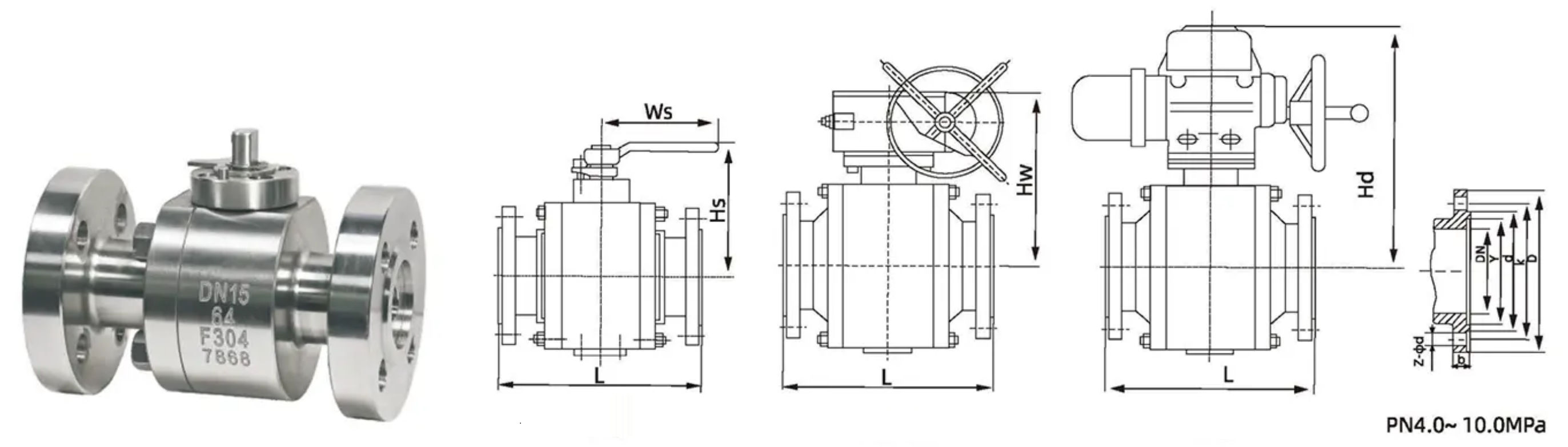
Three interchangeable actuation assemblies are clearly illustrated on technical drawings: basic manual lever type suits low-cycle pipelines DN40~DN100; worm gear handwheel versions magnify torque via reduction gear discs, enabling single-operator 90° switching for medium-large bore high-pressure service; electric actuators fitted with manual bypass handwheels connect to plant-wide PLC remote automatic control for oil and chemical pipelines. An ISO5211 universal mounting platform is standardized on all bonnets, allowing on-site actuation retrofitting without full valve disassembly from pipelines.
Target Industrial Application Scenarios
Oil & gas gathering transmission, refinery hydrogenation units and long-distance natural gas trunk lines stand as core application scenarios for forged steel ball valves, alongside inlet and outlet pipelines of fine chemical reactors carrying nitric and acetic acid. High-temperature high-pressure smelting steam mains and cryogenic LNG storage skids also widely adopt this valve body design. Supported by NACE anti-sulfur construction, steady annual procurement demand for this flanged forged ball valve persists among sulfur-containing oilfield projects across the Middle East. Worth noting that metal seated variants carry a longer service lifespan in abrasive sulfur-rich crude media.