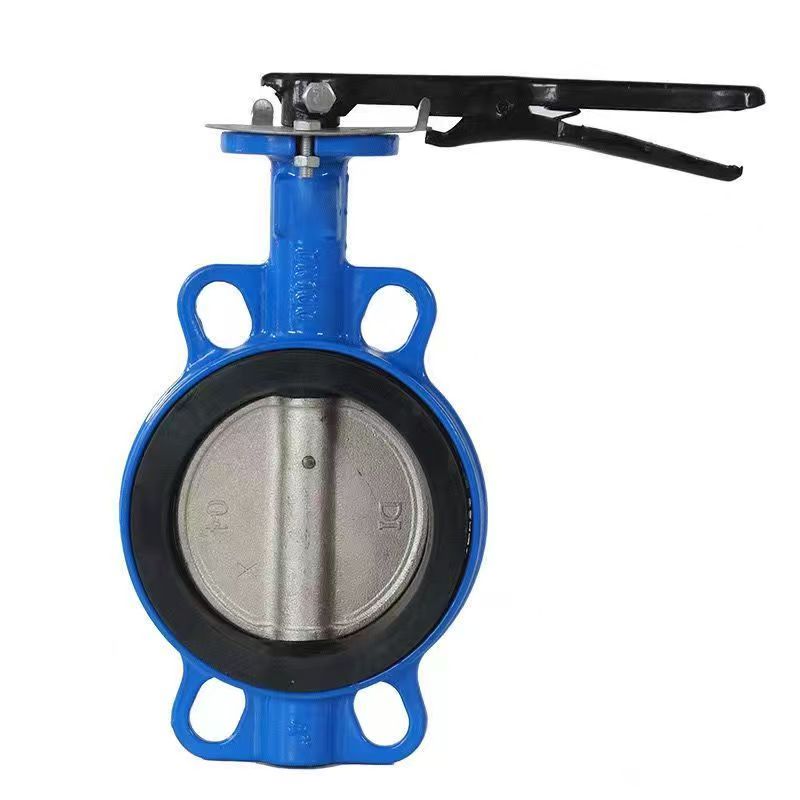
How to Select Durable, Failure-Proof Butterfly Valves for Municipal Water Supply & HVAC Projects
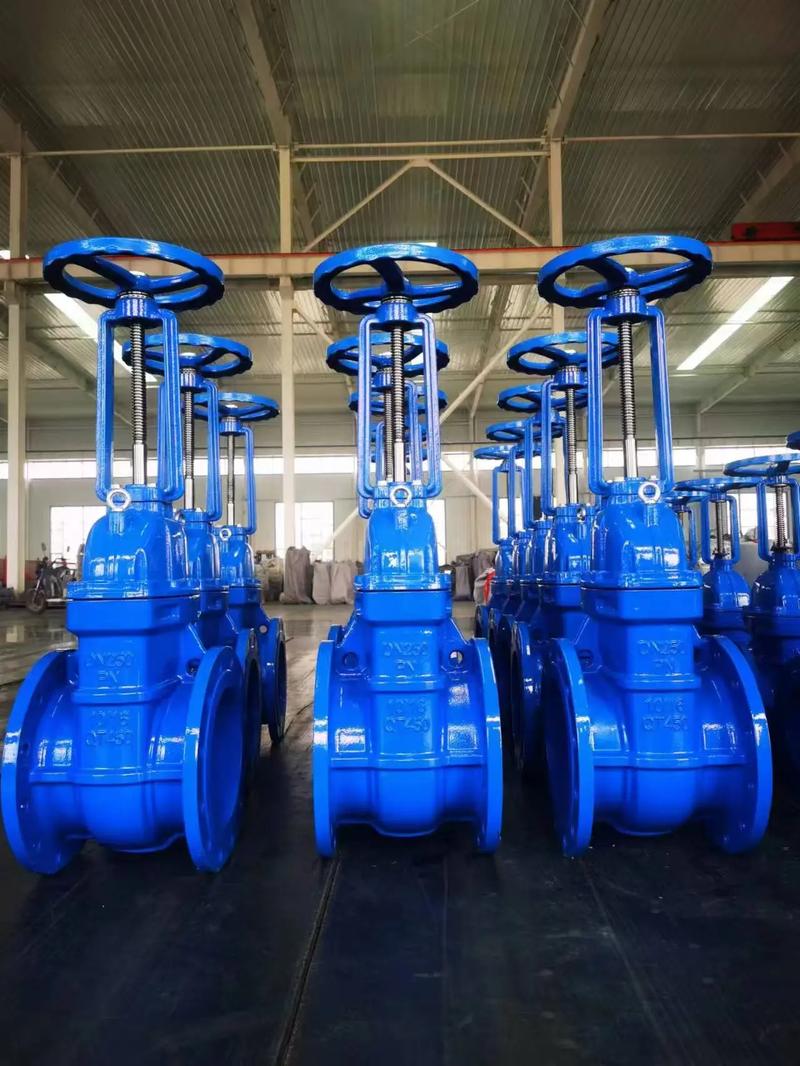
How to Select Durable, Failure-Proof Butterfly Valves for Municipal Water Supply & HVAC Projects
The backbone of municipal water supply networks and HVAC systems—relying on them for seamless flow control, isolation, and regulation. Yet nothing undermines project efficiency faster than a prematurely failing valve: unexpected leaks, costly downtime, or repeated replacements. Selecting durable, long-lasting butterfly valves requires more than picking the cheapest option; it demands precise alignment with工况 (operating conditions), material science, and industry standards. This guide breaks down the critical factors to ensure your butterfly valves deliver reliable, low-maintenance performance for years.
1.Define Your Operating Conditions FirstBefore choosing a valve, map your exact—this is the foundation of durability.
- Media & Temperature: For municipal water supply, prioritize potable water compatibility. For HVAC, distinguish between chilled water, hot water, or steam (temperatures above 200°C require metal-seated designs).
- Pressure & Flow: Specify maximum working pressure, differential pressure, and surge/water hammer risks. Municipal pipelines typically see flow velocities of 3–8 ft/s (0.9–2.4 m/s); match valve size to avoid high velocity-induced wear.
- Operation Frequency: Will the valve be used for daily modulation or occasional isolation? High-frequency actuation calls for heavy-duty designs to prevent premature fatigue.
2.Material Selection: The Key to Longevity
- Operation Frequency: Will the valve be used for daily modulation or occasional isolation? High-frequency actuation calls for heavy-duty designs to prevent premature fatigue.
2.Material Selection: The Key to Longevity
Materials determine corrosion resistance, wear tolerance, and lifespan.
- Valve Body:- Ductile Iron (ASTM A536 Grade 65-45-12): The gold standard for municipal water and HVAC. It offers high tensile strength, impact resistance, and cost-effectiveness—ideal for buried pipelines and high-pressure systems.
- Cast Iron: A budget option but less durable; avoid for long-term projects.- Stainless Steel (304/316): For corrosive environments (e.g., coastal areas, high-chloride water) or specialized HVAC circuits. 316 stainless steel offers 3–5x better pitting resistance than 304.
- Disc:- Stainless Steel (304/316) is standard for water systems. Nylon-coated discs add extra protection against abrasion.- For extreme conditions, opt for duplex or super duplex alloys.- Seat: The seat is the most critical component for sealing and durability.- EPDM: The industry standard for water and HVAC. It offers excellent elasticity, chemical resistance, and low cost—perfect for most applications.- NBR: Better for oil-based media but not recommended for long-term water service.- PTFE/FKM: For high-temperature or highly corrosive HVAC fluids.- Metal Seals: For high-pressure, high-temperature, or abrasive media (e.g., steam, slurries). They offer superior wear resistance but have higher torque requirements.
3.Hoose the Right Design for Your Application
Not all butterfly valves are created equal. Select the design that matches your project needs.
- Structure Type:- Concentric (Center-Line): Simple, cost-effective, and suitable for low-pressure, non-abrasive water systems. Best for occasional use.
- Double Offset: Reduces friction and improves sealing. Ideal for moderate-pressure applications and frequent actuation.
- Triple Offset: The most advanced design. Eliminates friction between the disc and seat, offering superior sealing, wear resistance, and longevity. Perfect for high-pressure, high-temperature, or critical HVAC systems[6].
- Connection Type:- Wafer Type: Space-saving, cost-efficient, and easy to install. Ideal for small to medium diameters (DN ≤ DN600) in water supply.
- Lug Type: More secure for high-pressure or large-diameter applications (DN ≥ DN600). Allows for easy removal without disturbing the pipeline.
- Flanged Type: The most robust option for large diameters, high pressure, or critical isolation. Complies with API 609 or GB/T 12221 standards
4.Prioritize Compliance & Quality Standards
Non-compliant valves lead to premature failure and safety risks. Ensure your valves meet:
- Municipal Water Standards: CJ/T 282 for water supply; GB/T 17219 for potable water contact components (lead content ≤ 0.2%).
- General Industry Standards: GB/T 12238 or API 609 for pressure ratings (PN10–PN40 or Class 150–Class 300)[11].
- Material Standards: ASTM A536 for ductile iron, ASTM A240 for stainless steel.
5.Avoid Common Pitfalls to Prevent Failure
- Don’t Use Soft Seals for High Temperature/Pressure: Soft seals (e.g., EPDM) can melt or degrade at temperatures above 200°C or pressures exceeding PN40.
- Don’t Ignore Abrasive Media: If your water contains sand or particles, avoid standard soft-seat valves. Upgrade to hard-seat designs or add pre-filtration[9].
- Don’t Underestimate Torque: Ensure the actuator (manual, electric, or pneumatic) has sufficient torque to handle the valve’s operating conditions. Under-sized actuators cause valve sticking and premature failure[11].
- Don’t Skip Installation Best Practices: Proper alignment, gasket selection, and torque calibration are critical. Improper installation can lead to seat damage, leaks, or reduced lifespan.
6.Maintenance & Lifecycle Considerations
Durability isn’t just about the valve—it’s about how easy it is to maintain.
- Choose Easy-to-Service Designs: Look for valves with modular components (e.g., bolted seat rings) for quick field replacement. This reduces maintenance time and costs (e.g., from 4 hours to 1.5 hours for seat replacement).
- Lubrication-Free Bearings: Self-lubricating bronze bearings eliminate the need for ongoing maintenance, ideal for buried or hard-to-access installations.
- Regular Inspections: Schedule checks every 6–12 months to assess seat wear, valve alignment, and actuator performance. Early detection prevents costly failures.
Selecting durable, failure-proof butterfly valves for municipal water supply and HVAC projects boils down to three core principles: match design to, prioritize high-quality materials, and ensure full compliance with standards. By following this guide, you can avoid the headaches of premature failures, reduce long-term maintenance costs, and ensure your systems run efficiently for decades.
We specialize in high-performance butterfly valves engineered for municipal and HVAC applications. Our triple-offset metal-seated valves and ductile iron soft-seat solutions are rigorously tested to meet the toughest industry standards. Contact us today to find the perfect valve for your project