Industrial Valve Leaks & Rust? 3 Proven Solutions to Eliminate Issues Forever
Industrial Valve Leaks & Rust? 3 Proven Solutions to Eliminate Issues Forever
Are you tired of dealing with stubborn industrial valve leaks and rust-related failures? These two problems not only cause costly fluid waste but also disrupt daily operations, increase maintenance costs, and even pose safety risks for projects. Whether you’re managing water supply systems, HVAC pipelines, or industrial fluid control systems, choosing the right solution to fix leaks and rust is critical.
Today, we’re sharing 3 practical, long-term solutions to completely resolve valve leaks and rust, helping you save costs, improve operational efficiency, and ensure the stability of your entire fluid system.
1. Core Solution: Choose Anti-Leak & Anti-Corrosion Valves (The Foundation of Problem Solving)
The root cause of most valve leaks and rust lies in inferior materials and outdated designs. Don’t settle for cheap, low-quality valves that lead to frequent repairs—invest in high-performance valves designed to resist both leaks and corrosion.
Key Features to Look For:
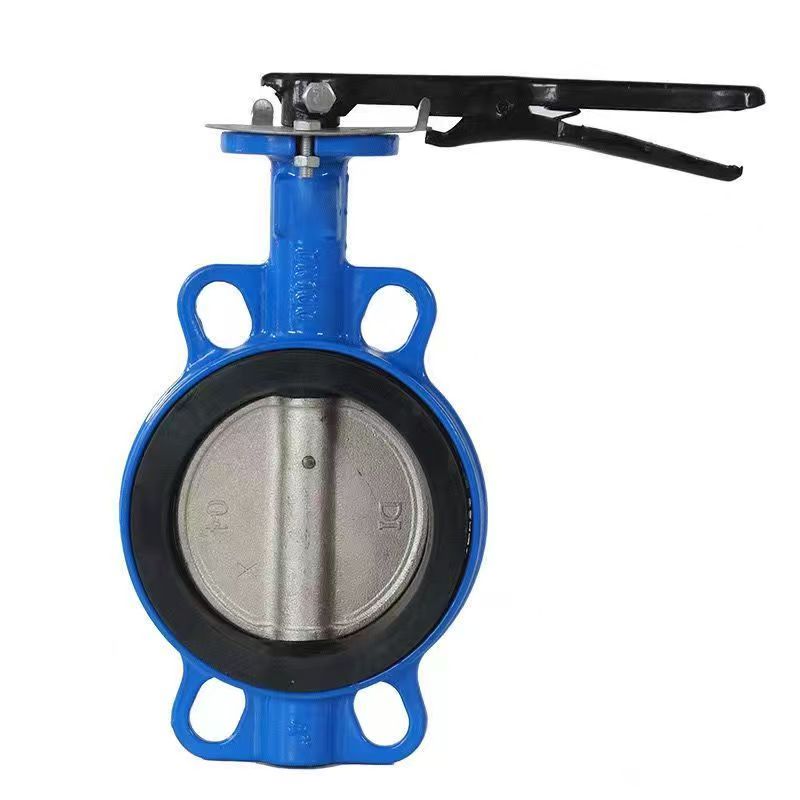
- ✅ EPDM Soft Seal: A premium EPDM (Ethylene Propylene Diene Monomer) rubber seat creates a bubble-tight, tight seal against the valve disc, eliminating leaks even after years of use. It’s highly flexible and resistant to aging, perfect for long-term leak prevention.
- ✅ Epoxy-Coated Ductile Iron Body: Opt for valves with a thick, durable blue epoxy coating on the ductile iron body. This coating forms a protective barrier against rust, chemicals, and harsh water/wastewater environments, ensuring 5-10 years of corrosion-free use.
- ✅ Heavy-Duty Worm Gear Actuator: A robust worm gear drive reduces operation torque, making opening/closing smooth and effortless. It also prevents valve damage from excessive force, avoiding secondary leaks caused by valve deformation.
Our Recommendation: Our Turbine Flanged Butterfly Valve is specifically engineered to solve these two core problems. With EPDM zero-leak seal, epoxy-coated ductile iron body, and ergonomic worm gear operation, it’s the ideal one-stop solution for leak and rust issues.
2. Standardize Installation & Operation to Avoid Secondary Damage
Even the best valve will leak or rust prematurely if installed incorrectly or operated improperly. Non-standard installation is a major cause of valve leaks, while irregular operation accelerates corrosion and wear.
Critical Installation & Operation Tips:
- Flange Alignment: Ensure precise alignment of valve flanges and pipelines during installation. Deviations will cause uneven stress on the valve body, leading to seal damage and leaks. Use torque wrenches to tighten flange bolts according to standard torque values (avoid over-tightening or under-tightening).
- Avoid Overloading: Do not operate the valve beyond its rated pressure and temperature range. For high-flow, high-pressure systems, select valves with matching pressure ratings (e.g., PN16/PN25) to prevent body cracking and seal failure.
- Regular Maintenance: Clean the valve surface and pipeline impurities regularly to avoid sediment accumulation that corrodes the seal. Lubricate the worm gear and handwheel components quarterly to ensure smooth operation and extend service life.
3. Timely Repair & Replacement of Damaged Components
For valves that have already developed leaks or rust, timely and targeted repair is key to avoiding losses. Delayed repairs will only worsen the problem, increasing maintenance costs and downtime.
Step-by-Step Repair Guidelines:
- Diagnose the Cause: First, identify the root cause—leaks may stem from a damaged EPDM seal, loose flange bolts, or localized rust on the body.
- Component Replacement: If the seal is damaged, replace it with a new EPDM seal (avoid using inferior rubber seals). If the body has minor rust, remove the rust and reapply anti-corrosive paint; for severe rust or cracks, replace the valve body immediately.
- Post-Repair Inspection: After repair, conduct a pressure test to confirm no leaks. Record the repair time and component replacement cycle to formulate a regular maintenance plan.
In summary, solving industrial valve leaks and rust requires a combination of high-quality valve selection, standardized installation/operation, and timely maintenance. By choosing the right valves (like our epoxy-coated, EPDM-seal turbine flanged butterfly valve), following proper installation and operation rules, and maintaining regularly, you can completely eliminate these annoying problems and ensure the long-term stability of your fluid control system.
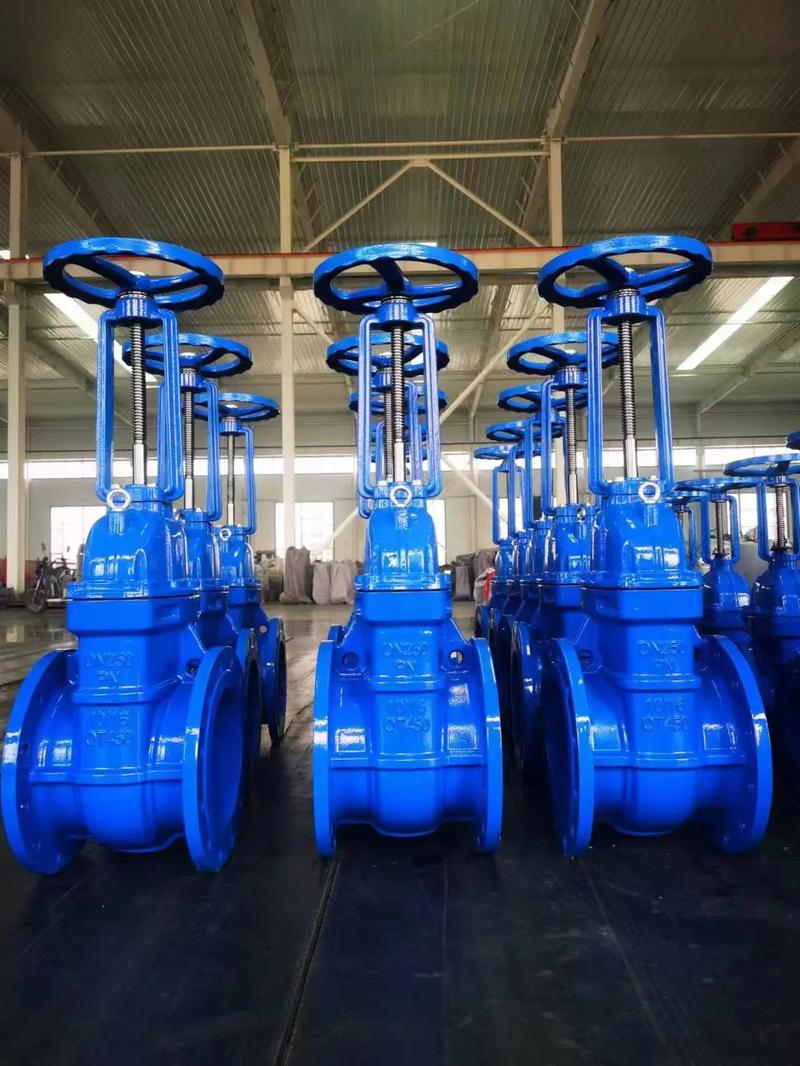
Our factory specializes in producing high-performance industrial valves (including butterfly valves, gate valves, and brass threaded valves) that meet GB and international standards. We provide one-stop solutions for water supply, HVAC, and industrial projects, with factory direct pricing and fast delivery.
If you’re struggling with valve leaks and rust, or need to upgrade your valves for better performance, contact us now—we’ll provide customized solutions and free quotes to help your project run smoothly!