Corrosive media (such as acid, alkali, salt solution, corrosive gas, chemical solvent) is the main cause of valve corrosion and leakage, and improper material matching is the root cause of early valve failure.
Common mistakes include: using ordinary stainless steel valves for strong acid and alkali media, choosing soft seals that are not corrosion-resistant, and ignoring the corrosion of trace impurities in the medium on valve parts. Different corrosive media, concentration, temperature and pressure will directly change the corrosion resistance of materials. For example, 316 stainless steel has good corrosion resistance in normal temperature weak corrosive environments, but will be severely corroded in high-temperature concentrated sulfuric acid and hydrochloric acid environments; PTFE seals have excellent corrosion resistance, but their performance will be compromised in ultra-high temperature environments.
Avoidance Strategy: Conduct a comprehensive analysis of medium type, concentration, temperature, corrosion grade, and select targeted corrosion-resistant materials. For strong corrosive media, give priority to fluorine-lined valves, Hastelloy, Monel and other special alloy valves; choose corrosion-resistant sealing materials such as PTFE, FKM, and metal seals according to corrosion intensity, and completely abandon ordinary rubber seals that have no corrosion resistance.
Pitfall 3: Choosing Wrong Valve Structure for Harsh Service Conditions
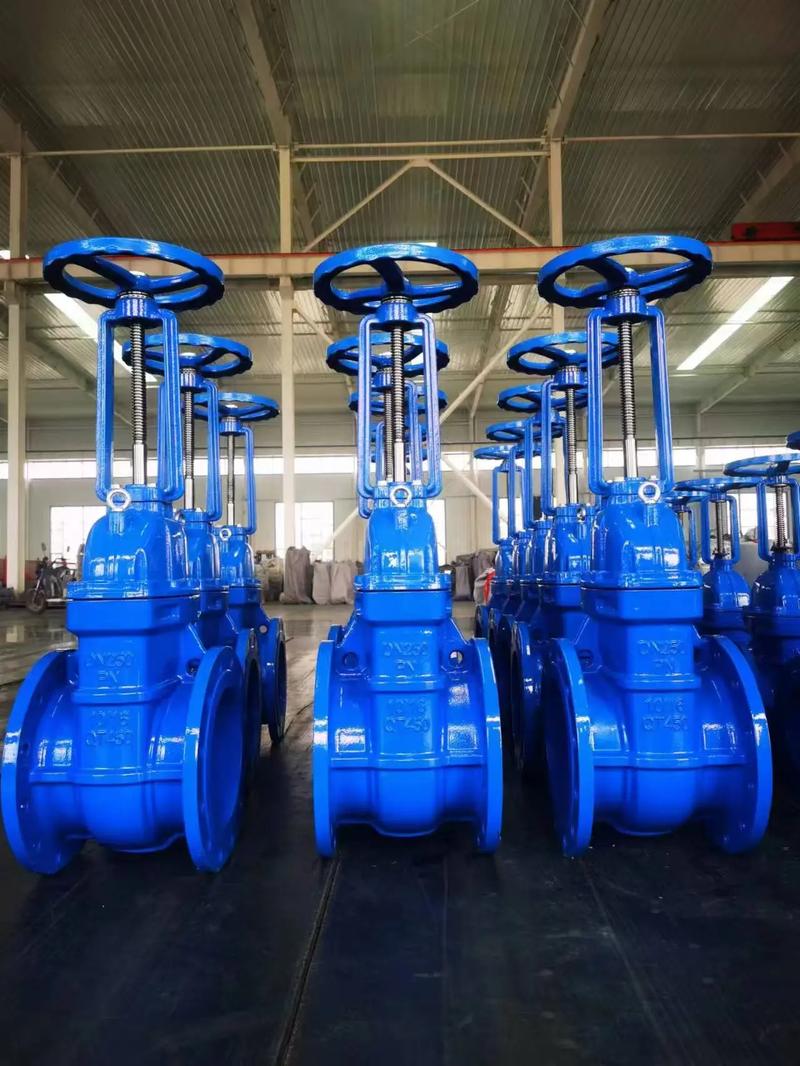
Not all valve structures are suitable for high-temperature and corrosive working conditions. Blindly selecting conventional structures such as centerline butterfly valves, ordinary gate valves and ball valves will lead to frequent jamming, poor sealing and short service life.
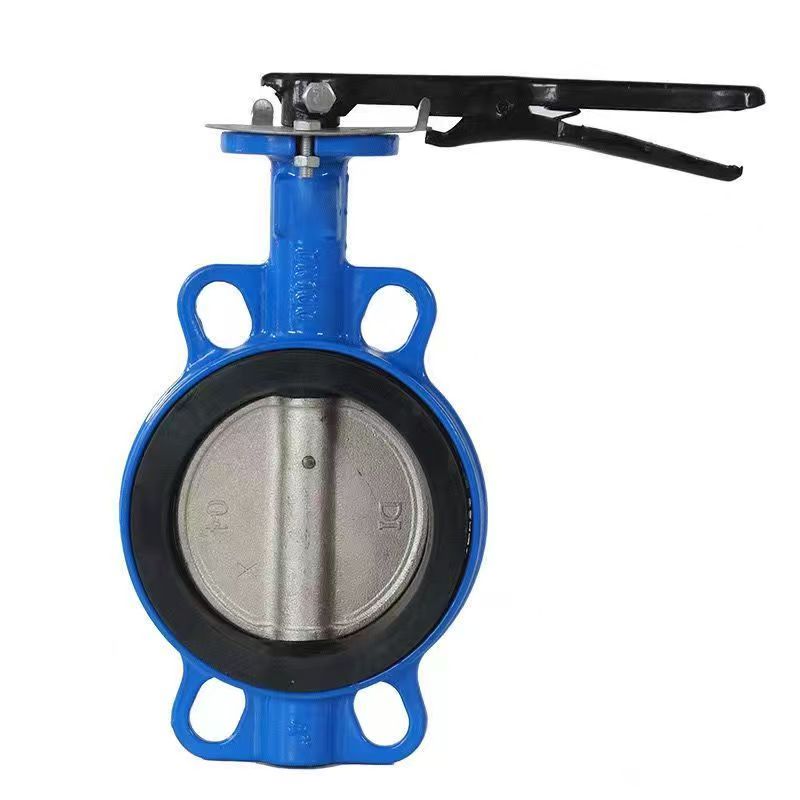
For example, conventional centerline butterfly valves have large friction between the disc and seat in high-temperature environments, which is easy to cause wear and leakage; ordinary ball valves have poor thermal deformation resistance in high-temperature corrosive working conditions, and the ball and seat are easy to be damaged; thin-walled wafer valves have weak pressure-bearing and corrosion resistance, and are not suitable for harsh working conditions with high temperature and high corrosion.
Avoidance Strategy: Select high-temperature and corrosion-resistant special structures. For high-temperature corrosive pipelines, priority can be given to triple offset butterfly valves, forged steel globe valves, special alloy ball valves; adopt full-bore or reinforced structure design, give priority to flanged connection instead of wafer connection to enhance structural stability and sealing reliability; for ultra-harsh working conditions, choose forged valves over cast valves, as forged valves have denser material and better high-temperature and corrosion resistance.
Pitfall 4: Pursuing Low Cost & Sacrificing Product Quality & Compliance In project procurement, many buyers choose low-cost non-standard valves, inferior alloy valves or valves without professional high-temperature and corrosion-resistant treatment to control costs, which seems to save costs in the short term, but leads to frequent failures, frequent replacement and production shutdown losses in the later period, and the overall cost is far higher than that of high-quality valves.
In addition, ignoring industry compliance and choosing valves that do not meet high-temperature and corrosion-resistant testing standards will also bring huge potential safety hazards and fail to pass project acceptance.
Avoidance Strategy: Give priority to valves manufactured in accordance with international and industrial professional standards (such as API 600, API 609, BS EN standards), and verify material certification, high-temperature and corrosion-resistant test reports; do not reduce material standards and structural strength blindly. High-temperature and corrosive working conditions belong to special harsh working conditions, and cost-effective high-quality special valves are the fundamental solution to reduce the full-life cycle cost.
Pitfall 5: Neglecting Pressure Parameters & Temperature-Pressure Coupling Effects
High temperature and corrosion are often accompanied by high pressure, pressure fluctuation and water hammer impact. Many buyers only consider single temperature or corrosion factors, ignoring the coupling effect of temperature, pressure and corrosion, resulting in valve pressure-bearing failure and leakage.
Under high-temperature conditions, the pressure-bearing grade of valve materials will decrease, and the pressure-bearing capacity that meets the standard at normal temperature will be insufficient at high temperature; coupled with corrosive medium erosion, the valve body and internal parts will be more easily damaged.
Avoidance Strategy: Calculate the temperature-pressure rating of the valve under actual working conditions, select the valve with appropriate pressure grade (PN/Class) according to the coupled working conditions of high temperature, high pressure and corrosion, and leave a sufficient safety margin; choose valves with anti-erosion design to avoid rapid damage of internal parts caused by medium scouring.
Conclusion
Valve selection under high-temperature and corrosive service conditions is never a simple procurement behavior, but a professional matching work based on comprehensive analysis of working conditions. Avoiding the above core pitfalls, clarifying medium, temperature, pressure, corrosion grade and other key parameters in advance, selecting professional high-temperature and corrosion-resistant materials and structural valves, and prioritizing compliant high-quality products, can fundamentally reduce valve failure rate, extend service life, avoid production losses and safety risks, and achieve stable and efficient operation of industrial systems.
Our brand focuses on the R&D and production of special valves for harsh working conditions, providing targeted valve solutions for high-temperature, high-corrosion, high-pressure and other complex industrial scenarios. All products undergo strict material testing and performance verification to help you easily cope with various severe working conditions and reduce the trouble of valve selection and use. Welcome to contact us for customized professional valve selection solutions!