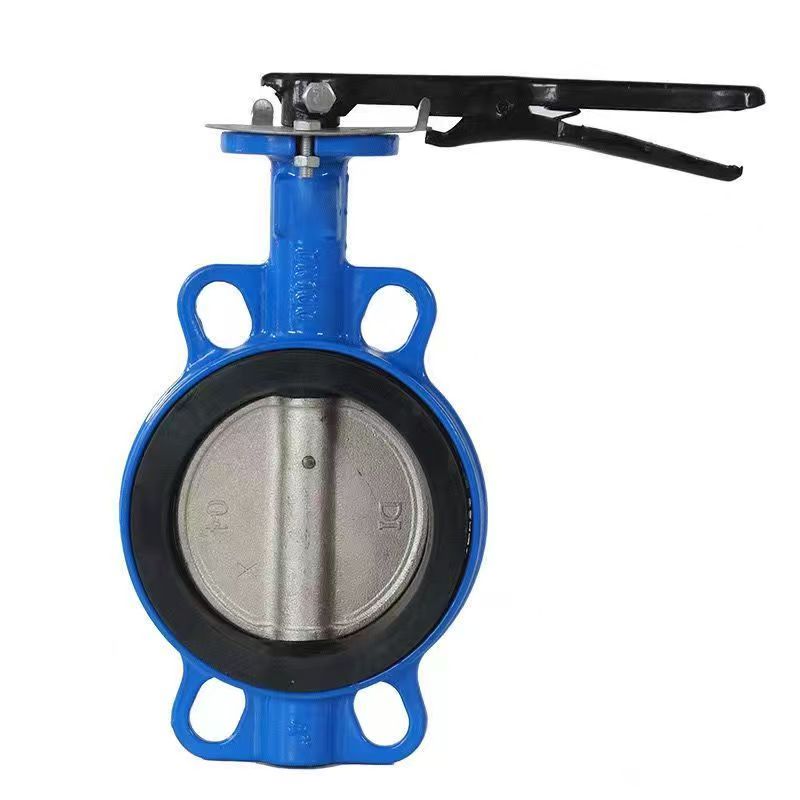
Turbine Flanged Butterfly Valve: A Comprehensive Guide to Structure, Advantages, and Applications
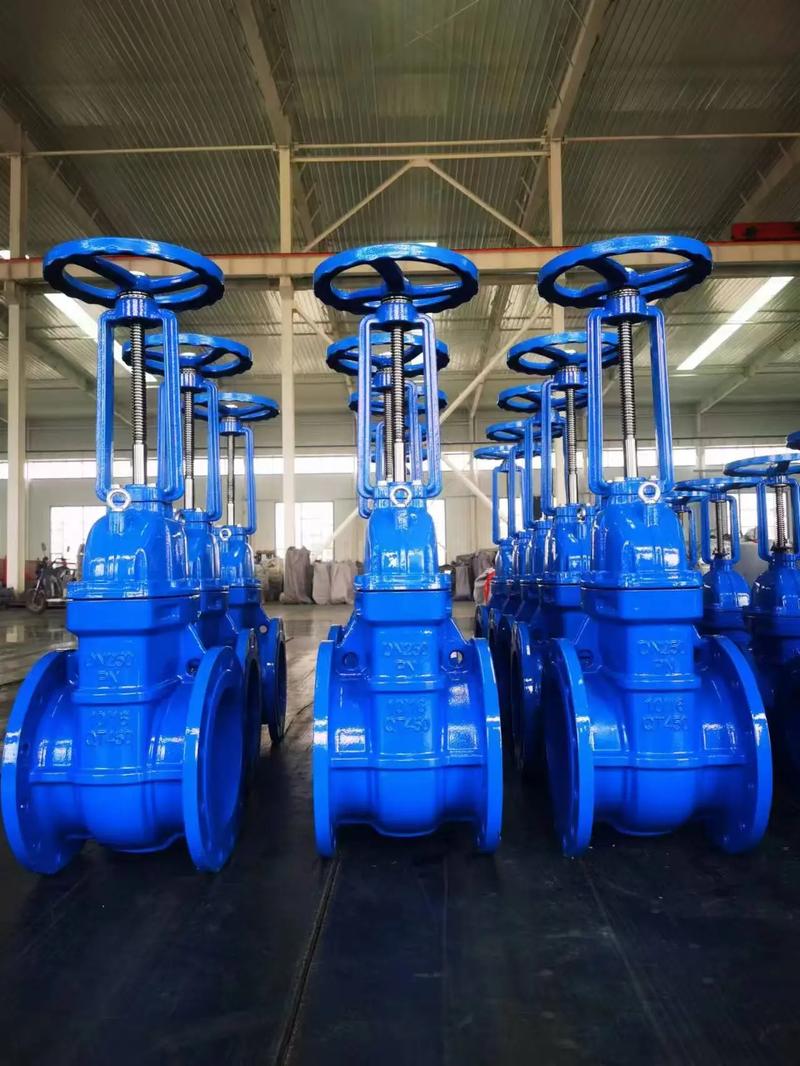
Turbine Flanged Butterfly Valve: A Comprehensive Guide to Structure, Advantages, and Applications
In industrial fluid systems, selecting the right valve for reliable flow control is critical. The turbine flanged butterfly valve stands out as a top choice for many professionals, thanks to its labor-efficient operation, secure flange connection, and adaptability across diverse scenarios. This guide breaks down its core structure, key benefits, and real-world applications to help you make informed decisions.1. Core Structure: What Makes a Turbine Flanged Butterfly Valve?
Combining the precision of a turbine (worm gear) actuator with the stability of a flanged end connection, this valve type integrates several high-performance components tailored for durability and ease of use.
Key Components
- Valve Body: The main housing, typically made of ductile iron, cast steel, or stainless steel (304/316/316L). Flanged ends ensure secure, leak-proof integration into pipelines, suitable for pressure ratings from PN10 to PN25 (Class150–300) and diameters from DN50 to DN1200.
- Butterfly Disc: A streamlined, rotatable disc (often stainless steel or duplex alloy) that controls flow. Its quarter-turn (90°) motion enables fast on/off operation or flow regulation.
- Turbine Worm Gear Actuator: The "power behind the operation." This mechanical system amplifies handwheel force via a high gear ratio, making large-diameter valves (DN300+) effortless to operate. It also features reverse self-locking, preventing accidental valve movement due to fluid pressure—enhancing system safety.
- Sealing System: Options include soft seals (EPDM, NBR, PTFE) for general corrosion resistance or metal-to-metal seals (with flexible graphite) for high-temperature/high-pressure harsh environments.
- **Stem & Accessories): A corrosion-resistant stem connects the actuator to the disc. Position indicators (0°–90° scales) let you monitor flow status in real time, ideal for precise regulation.
2. Standout Advantages: Why Choose This Valve?
The turbine flanged butterfly valve excels in practical use, addressing common pain points in fluid systems:
Labor-Saving Operation
The worm gear mechanism drastically reduces operating torque—one person can easily open/close large valves (even DN500+) without manual strain. The self-locking feature also eliminates "slap back" risks, ensuring stable operation under pressure.
Reliable, Leak-Proof Sealing
Flanged connections provide superior sealing compared to wafer-style valves, with gaskets preventing external leaks around pipe joints. Sealing options adapt to diverse needs:
- Soft Seals: EPDM/NBR for water, gas, and low-corrosion media; PTFE for chemical resistance.
- Metal Seals: For high temperatures (>200°C), high pressures, or abrasive/corrosive fluids, ensuring tight shutoff in extreme conditions.
Compact & Cost-Effective
With a short overall length and lightweight design, it fits seamlessly in space-constrained pipelines (e.g., mechanical rooms, skid systems). It costs less than gate/globe valves for large-diameter applications while delivering comparable performance.
Low Flow Resistance & Energy Efficiency
The streamlined disc design minimizes pressure drop when fully open (flow resistance coefficient as low as 0.15–0.8), reducing long-term energy consumption in pumping systems.
Versatile Material Flexibility
Customizable body, disc, and seal materials (e.g., titanium for chlor-alkali, super duplex for seawater) let it handle media from clean water to strong acids, alkalis, and high-temperature steam.
3. Key Application Scenarios: Where Does It Shine?
Thanks to its adaptability, the turbine flanged butterfly valve is widely used across industries:
Municipal Water Supply & Sewage Treatment
- Water Supply Networks: Regulate flow in main pipelines and pumping stations, ensuring stable pressure for residential/industrial use.
- Sewage Plants: Handle abrasive slurries and wastewater with corrosion-resistant seals (e.g., PTFE) and easy maintenance, reducing downtime.
Power Generation
- Thermal Power: Control cooling water, steam, and feedwater systems. Metal-sealed versions withstand high temperatures and pressures in boiler/turbine loops. - Hydropower: Manage penstock flow and prevent turbine runaway with rapid-response, high-pressure designs.
Petrochemical & Chemical Industries
- Oil & Gas Pipelines: Regulate crude oil, natural gas, and refined products with flanged connections for secure, long-distance transmission.
- Chemical Processing: Handle corrosive media (acids, alkalis, solvents) using corrosion-resistant materials (titanium, Hastelloy) and PTFE/metal seals.
HVAC & Ventilation
- Heating/Cooling Systems: Control hot water, chilled water, and air ducts in large buildings. The turbine actuator simplifies operation in hard-to-reach areas.
- Industrial Ventilation: Regulate airflow in mining, metallurgy, and manufacturing plants with low-torque, high-durability designs.
Other Industries
- Metallurgy: Manage molten salt, acid mist, and slurry in steel/non-ferrous metal production.
- Food & Pharmaceuticals: Use food-grade materials (316L stainless steel) for sanitary fluid control, with easy cleaning and compliance certifications.
4. Selection & Usage Best Practices
To maximize performance, follow these guidelines:
1. Define Key Parameters: Clarify medium type, temperature, pressure, flow rate, and corrosion level to choose the right body/disc/seal materials (e.g., metal seals for >200°C, PTFE for strong acids).
2. Prioritize Flange Standards: Match flange standards (ANSI, DIN, GB) to your pipeline system for easy installation and leak-proof connections.
3. Consider Actuator Needs: For automated systems, pair the turbine valve with pneumatic/electric actuators; for manual operation, ensure the turbine head has a self-locking function.
4. Regular Maintenance: Inspect flange fasteners, stem packing, and seal wear. Replace aging soft seals promptly to avoid leaks.
4. Regular Maintenance: Inspect flange fasteners, stem packing, and seal wear. Replace aging soft seals promptly to avoid leaks.
Conclusion
The turbine flanged butterfly valve is a versatile, reliable solution for industrial flow control. Its labor-saving operation, robust sealing, and adaptability make it ideal for municipal, power, petrochemical, and HVAC applications. By matching materials and design to your specific(conditions), you can ensure long-lasting performance, reduce maintenance costs, and enhance system efficiency. Ready to upgrade your fluid system? Contact our technical team for a free consultation to select the perfect turbine flanged butterfly valve for your needs!