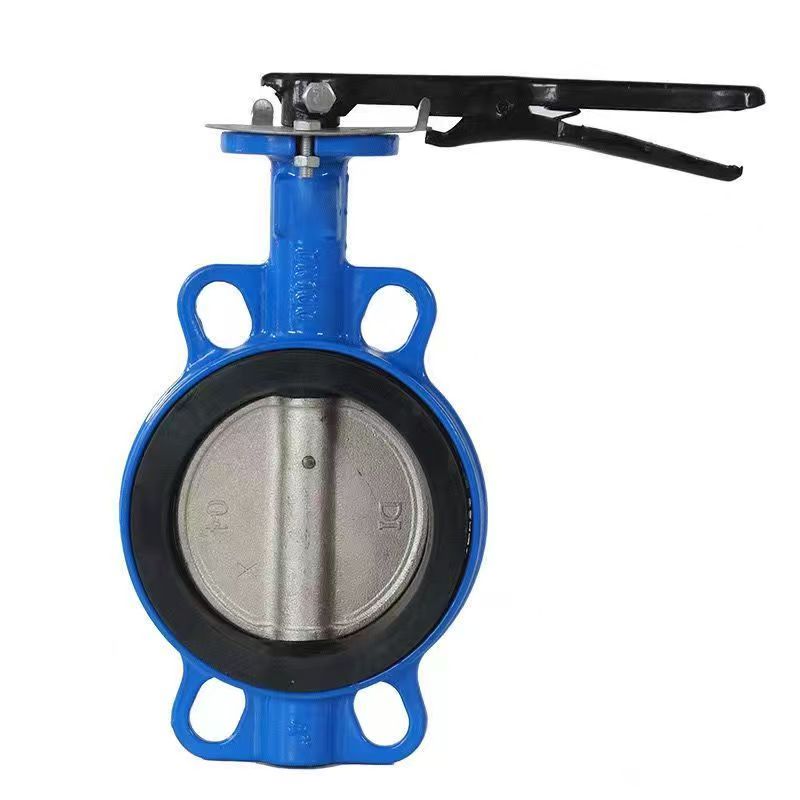
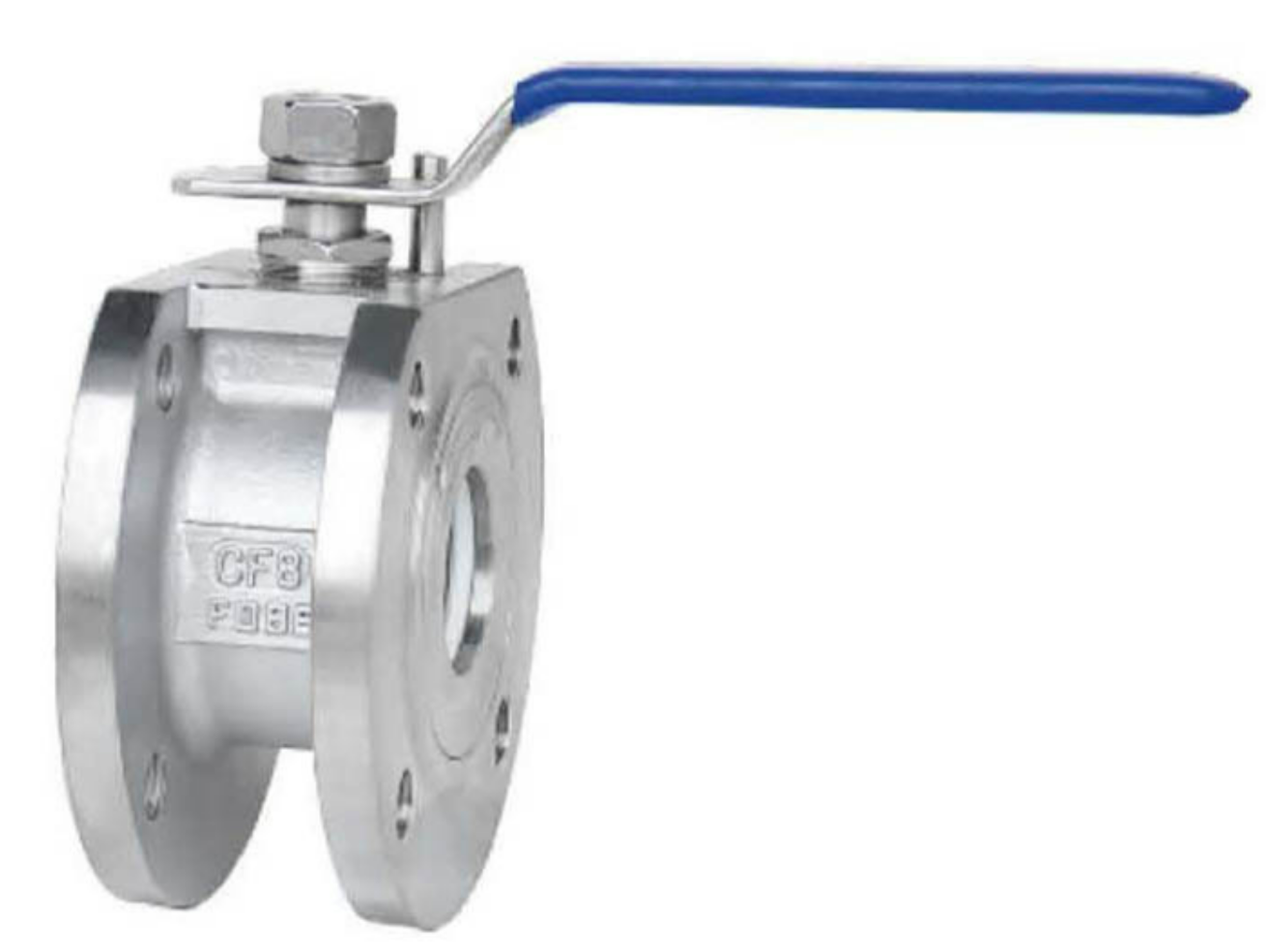
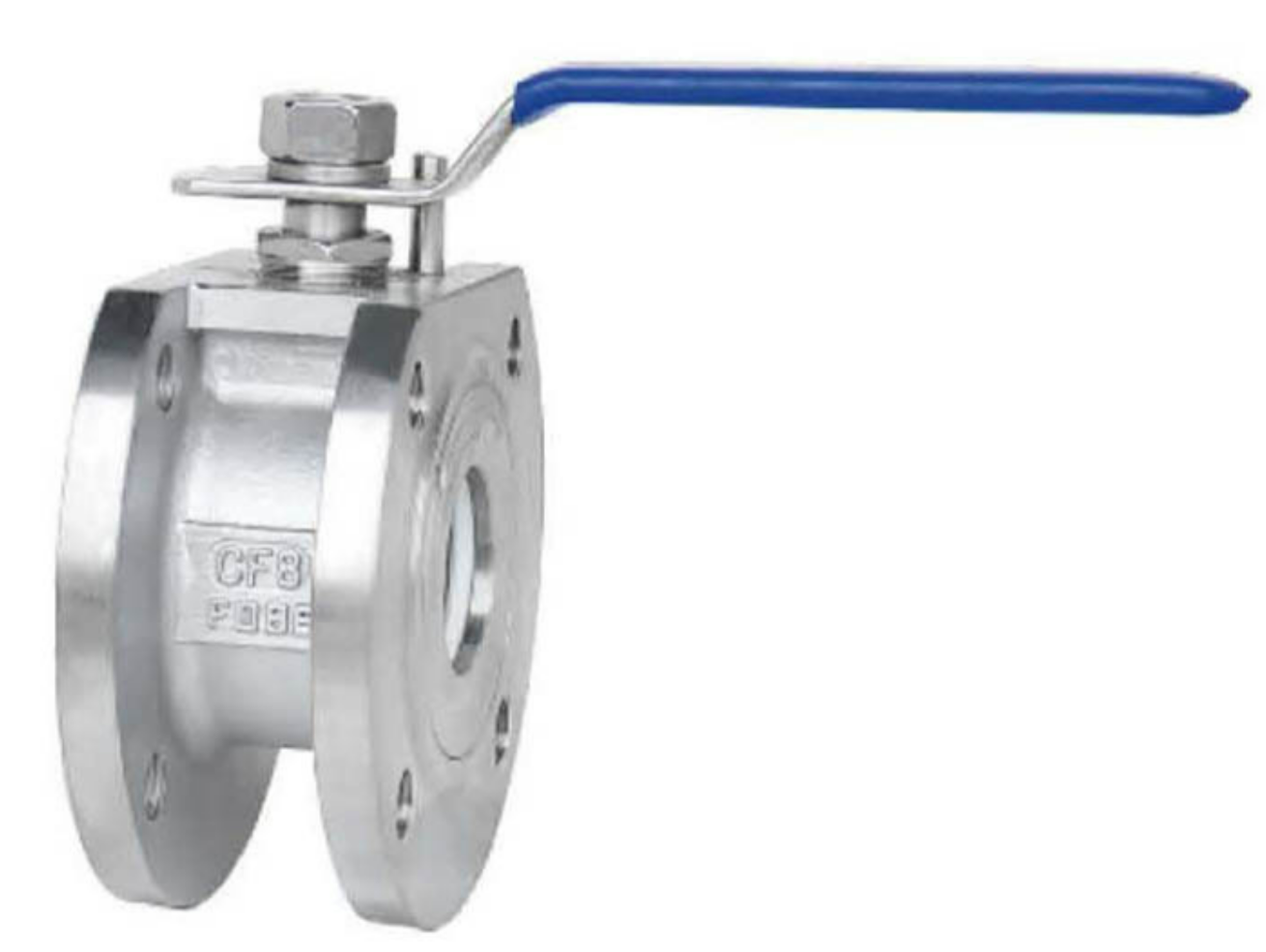
Conventional standard flanged ball valves feature long face-to-face dimensions, which create layout obstacles inside plate heat exchangers, compact thermal skids and confined spaces for pipeline retrofits. This Italian style wafer flanged ball valve adopts an integrated disc-shaped body; sizes DN125 and below are manufactured without split body joints, eliminating leakage risks along parting surfaces fundamentally. Its streamlined compact profile greatly shortens structural length, cutting axial installation space compared with standard flanged ball valves of equal nominal diameter, ideal for densely arranged piping inside process equipment.
Standard Compliance & Pressure Rating Specifications
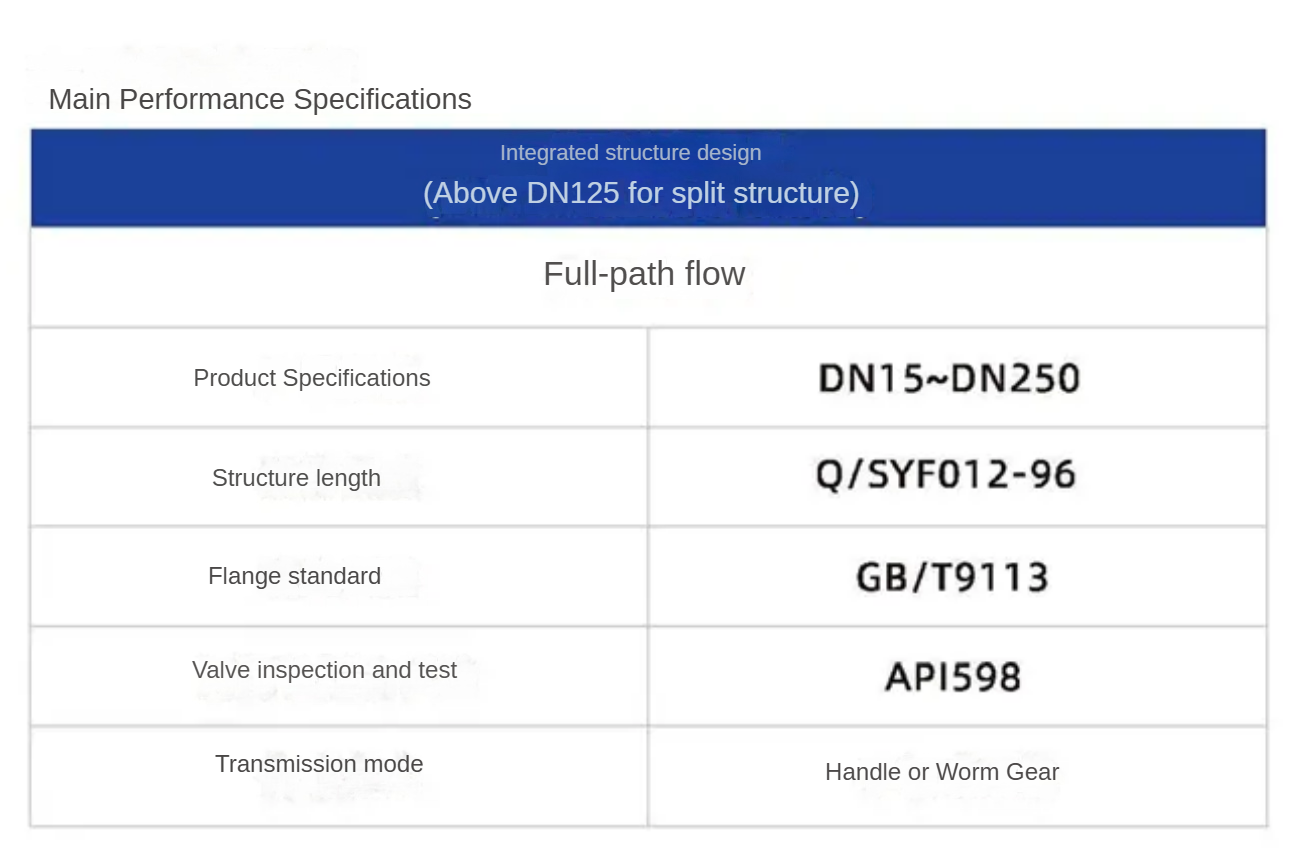
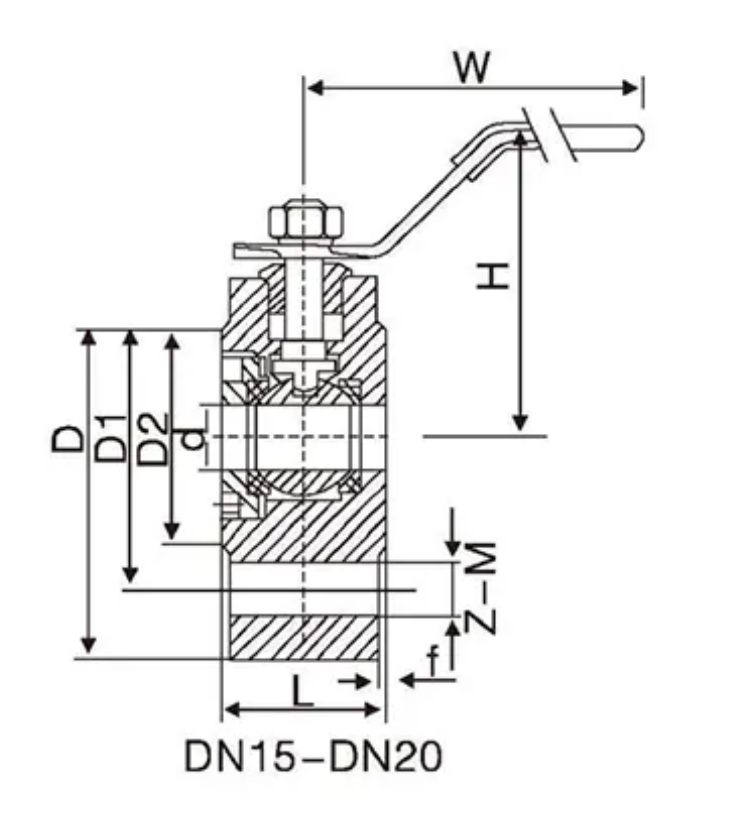
Flange dimensions strictly comply with GB/T9113, supporting two mainstream pressure classes PN1.6MPa and PN2.5MPa. All hydrostatic shell and seat tightness tests follow API598 valve inspection standards, and complete pressure test reports plus material certificates can be provided for overseas project acceptance and customs filing. The size range covers DN15 to DN250; sizes above DN125 adopt split construction to satisfy casting and machining requirements. A full-port straight bore inside removes throttling shoulders, lowering fluid resistance and cutting continuous power consumption of transfer pumps.
Multi-Grade Material Selection Matrix
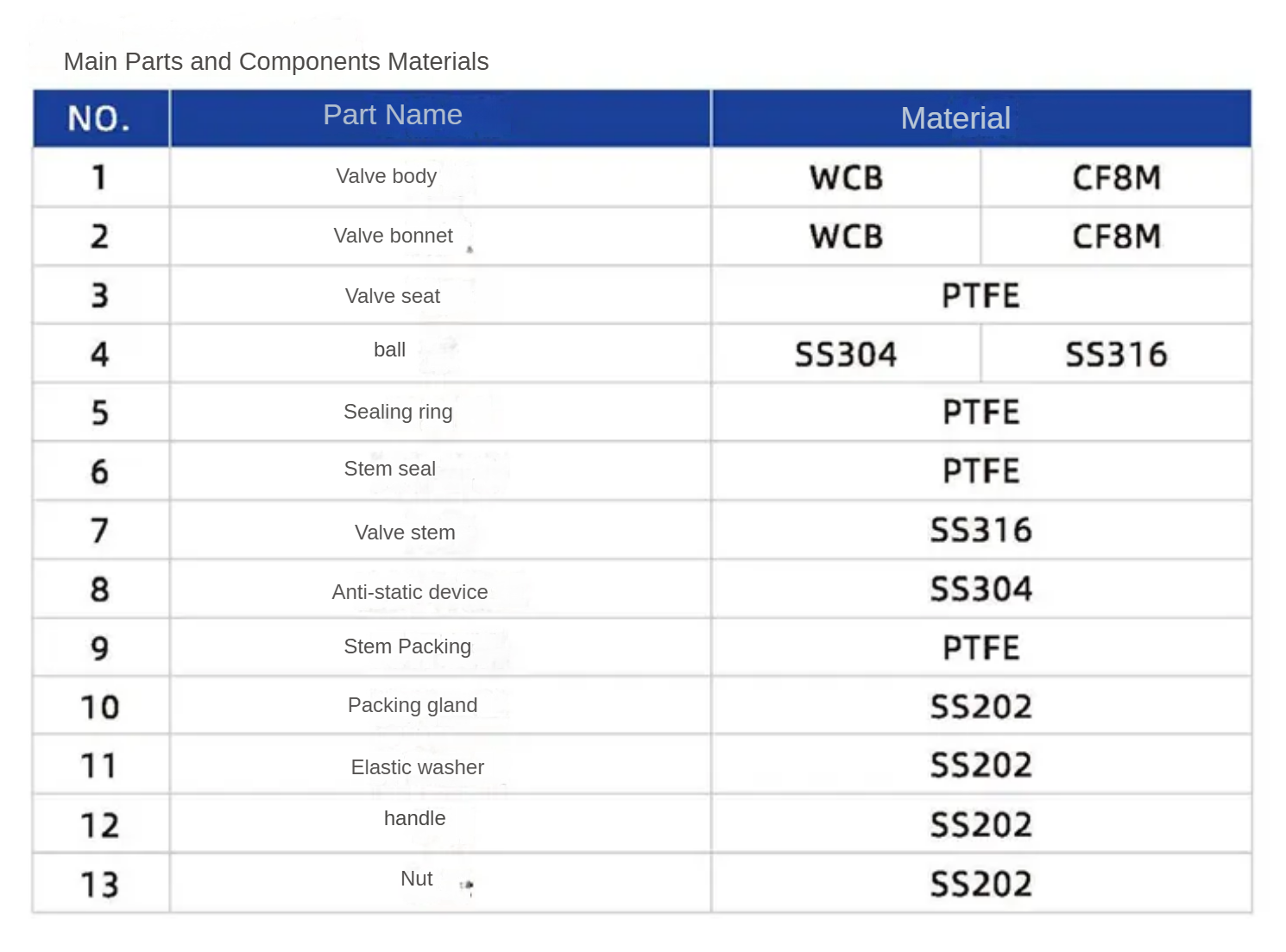
Two primary material options are available for body and bonnet: WCB carbon steel and CF8M (316 stainless steel). Carbon steel variants suit neutral media such as steam, thermal oil and ambient fuel oils, while 316 stainless steel models serve clean water and mildly corrosive fluids including weak acid and alkali. Solid balls are offered in SS304 or SS316 stainless steel. PTFE is adopted uniformly for all sealing components, delivering low friction and stable temperature resistance. A built-in anti-static assembly dissipates static charge generated by fluid friction, removing ignition hazards on pipelines carrying gas and flammable oil. Many skid fabricators in europe specify this anti-static setup for flammable media circuits. The stem is manufactured from SS316 stainless steel, fitted with multi-layer PTFE packing to sustain reliable sealing during repeated hot and cold cycling.
Dual Actuation Configurations For On-Site Selection
The base configuration uses a manual lever handle for fast 90-degree on-off operation, suited for medium-small bore pipelines with low actuation frequency. For larger sizes, a worm gear actuator upgrade is available to amplify operating torque and reduce physical force required by operators. A standardized mounting platform is reserved on top of the bonnet. Retrofit between manual and worm gear operation can be completed simply by swapping the actuator, without removing the valve body from piping, bringing outstanding flexibility for later pipeline modification.
This valve adopts wafer flanged mounting, sandwiched between two standard pipe flanges. During installation, parallelism of both flanges must be guaranteed, and matched-length flange bolts need diagonal uniform tightening. The integrated body eliminates leakage risks caused by ageing split gaskets, delivering superior stability under long-term pipeline vibration compared with two-piece split ball valves. Its slim compact profile makes it the preferred isolation valve for heat exchanger inlet and outlet, and it is widely deployed on auxiliary piping of small reactors, integrated water treatment skids and HVAC hot-cold circulation systems.
Applicable Working Condition Boundaries
Wafer integrated ball valves are recommended for clean fluid services free of hard solid particles, and not suitable for highly abrasive media with impurities. Even with compact construction, proper pipe supports must be arranged after installation to prevent body deformation induced by sustained pipeline dead weight. For continuously high-cycle operation and severe high differential pressure conditions, medium characteristics and delta-P parameters should be evaluated during selection; metal hard-seat configurations can be upgraded if required.