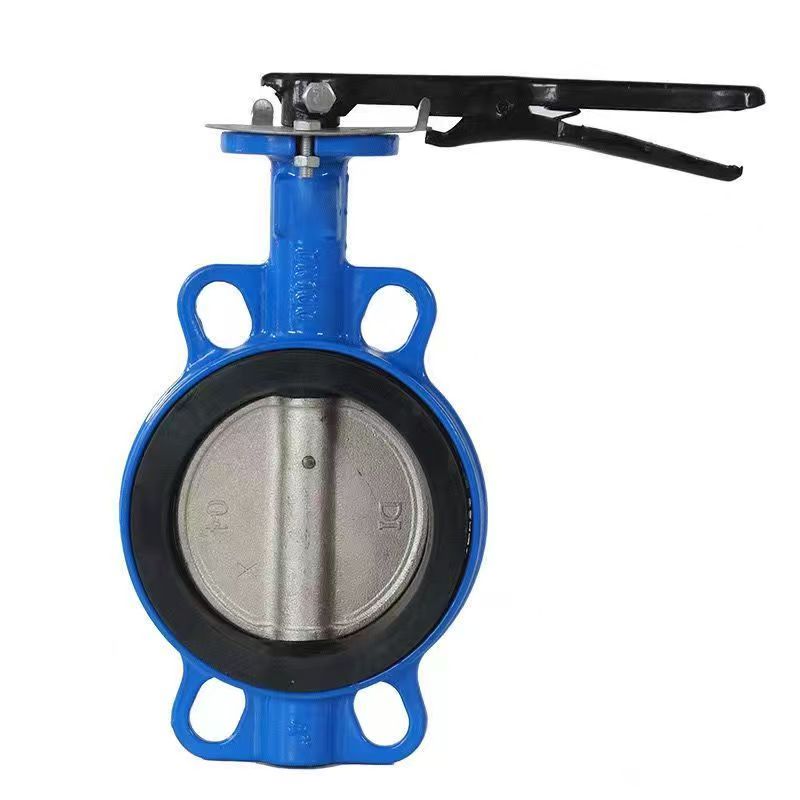
Working Principle of Ductile Iron Resilient Seated Gate Valve
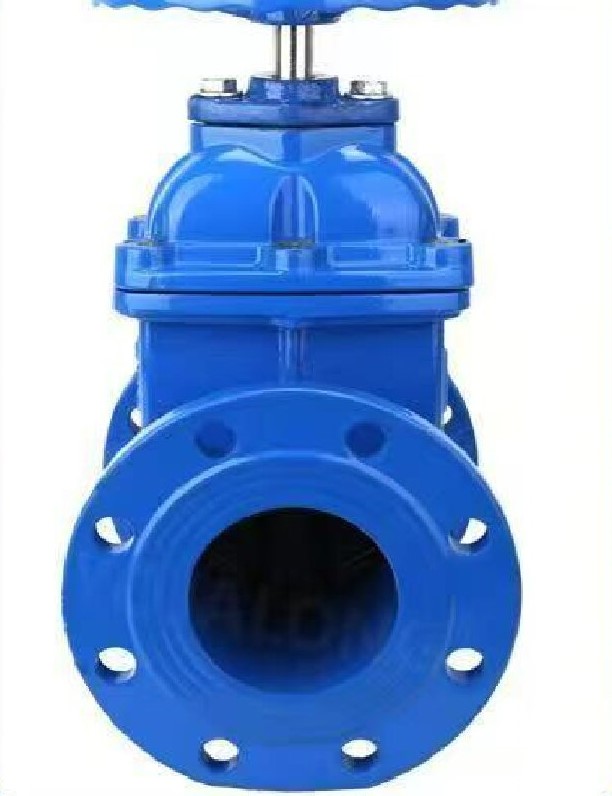
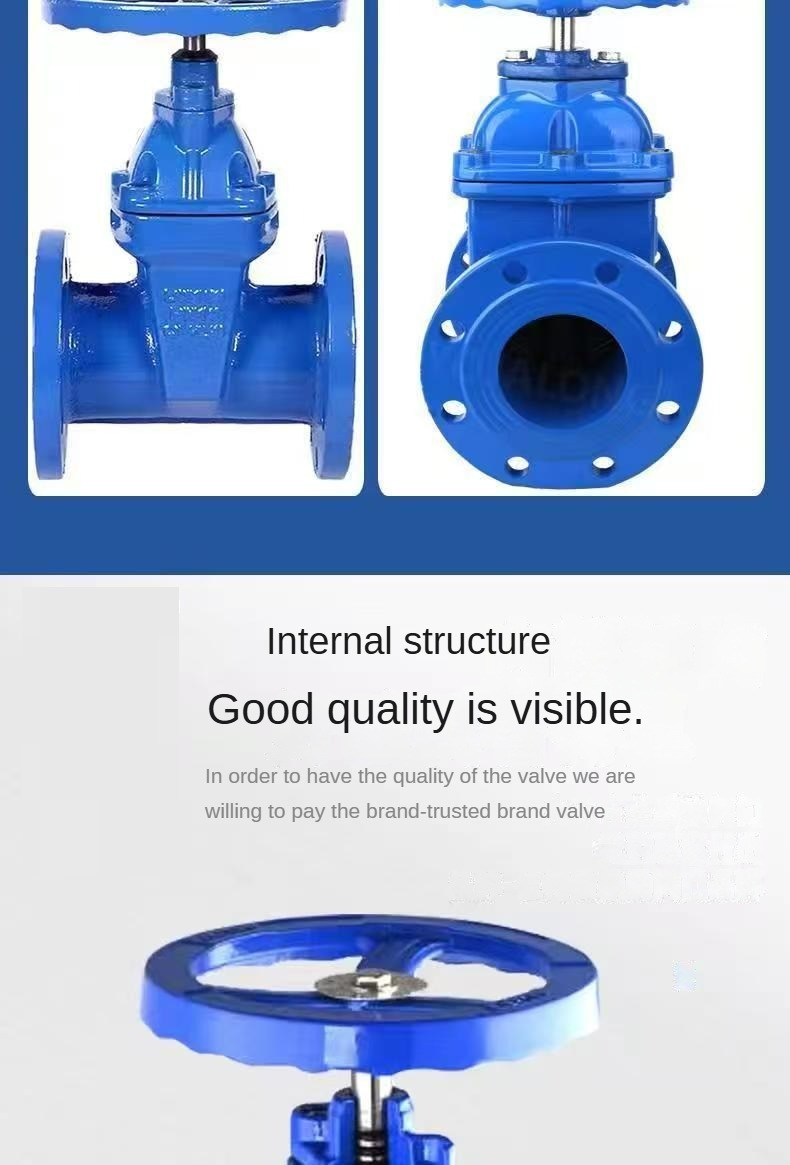 | Working Principle of Ductile Iron Resilient Seated Gate Valve
|
Working Principle of Ductile Iron Resilient Seated Gate Valve:
The ductile iron resilient seated gate valve (also known as a soft-sealed gate valve) operates on a simple yet highly reliable mechanical principle, designed for on/off control in water and wastewater systems.
When you rotate the handwheel clockwise, the internal threaded stem drives the gate (wedge) to move downward inside the valve body. As the gate descends, its integrated rubber seat presses tightly against the valve body’s sealing surface, creating a bubble-tight, zero-leakage seal. This blocks the flow path completely.
When the handwheel is rotated counterclockwise, the stem lifts the gate fully out of the flow passage. The valve opens to a straight-through path with minimal pressure drop, allowing unobstructed fluid flow.
Key to its performance is the resilient rubber seat, which compensates for minor surface irregularities and small debris in the water, ensuring reliable shut-off even in less-than-ideal conditions. The ductile iron body provides high strength and pressure resistance, while the non-rising stem design keeps installation height compact.
This simple, robust mechanism makes the valve ideal for long-term, low-maintenance use in municipal water, sewage treatment, fire protection, and building water supply systems.